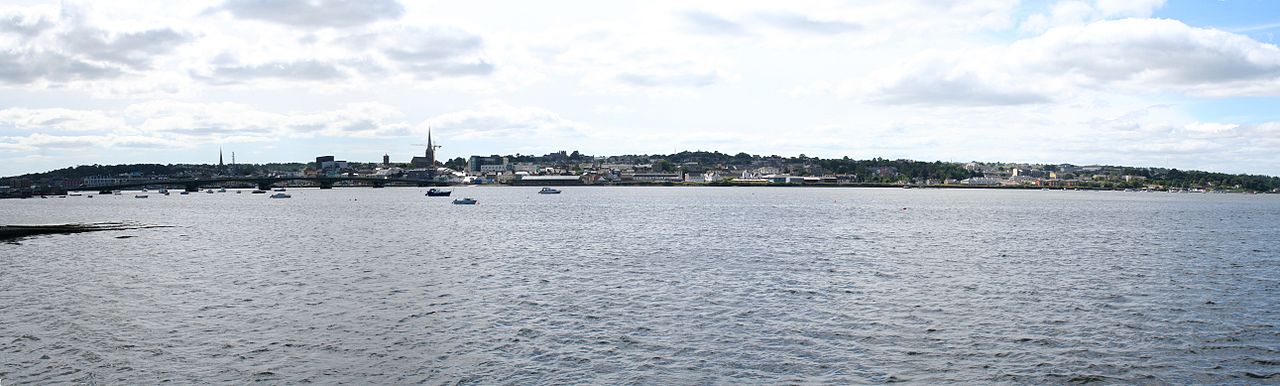
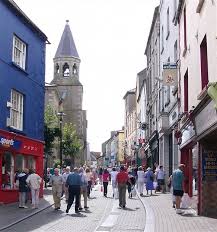
Although we had read about the Celtic Tiger’s collapse, the southeast of Ireland seems to us to be doing well, and tourism is a big part of that. The city of Wexford is bustling; it’s main shopping street full of pedestrians winding their way along the narrow, brightly lit chain of small, trendy shops. Apartments are above the shops, and the windows of pubs as well as chic restaurants invite you in. We ate dinner in town New Year’s Eve, and our dear but overworked waitress responded to any request by saying, “No bodar a’tall, (No bother at all) which is my new favorite expression.
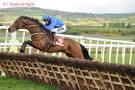 In almost every house we went into during our week in Ireland, the “tele” was on, as in the United States. But it wasn’t football, or even soccer, people were watching, it was horse racing! At countless local tracks around this island and at Leopardstown near Dublin, children and adults gather to watch the horses run.
They know the trainers, the owners, the odds and the horses themselves. And the races go off rain or shine, the horses sloshing through grass tracks over hurdles and on the flat. Horses are a national pastime.
My second favorite expression came from an announcer, extolling the merits of a winning horse. He summed it up with “He’s a bonny horse!” We think of “bonny” being applied to females, as in “She’s a bonny lass,” but in fact it is derived from the French word “bon,” meaning good, in many different nuanced ways according to what is being described.
The horse of the moment was “Hurricane Fly,” a ten-year-old hurdler running against much younger challengers at Leopardstown. He won handily, and he and his jockey, Ruby Walsh, were the talk of the New Year’s holiday.
If you go fox hunting around Wexford you need to know how the smart horse approaches the famous hedges and banks that often line the roads, and remember, as I describe it, that there is almost as much water as soil in Ireland.
If the hunt needs to get off the road and into a field, the riders first must find a place where the hedges are less than impenetrable and jump up onto the few feet of solid ground they afford. Then the horse must stop. Ahead will be an almost vertical descent gingerly accomplished by the horse’s front feet, which makes the rider seem to be lying down on the horse. About a third of the way down, the horse must use his back legs to make an humongous leap across a ditch filled with water. Hopefully they land safely in the field. I know where I would land….and I’m not going hunting in Ireland!
Go to YouTube: Irish Bank Part 2 to see a short video on how it’s meant to be done.
