We took our time rousing ourselves because we have two days in Bozeman. Only a block from our hotel we found a wonderful coffee shop called Catseye on one side of an old brick building. It had a terrific waitress called Sugar whom we peppered with questions about Bozeman and what to do while we are here. She also entertained us about easterners who come in and say “Get me a cappuccino,” and acted out for us how she reacts to them. They don’t serve specialty coffees, but their coffee is delicious as is their banana bread French toast with a yogurt sauce topped with marionberries and whipped cream!
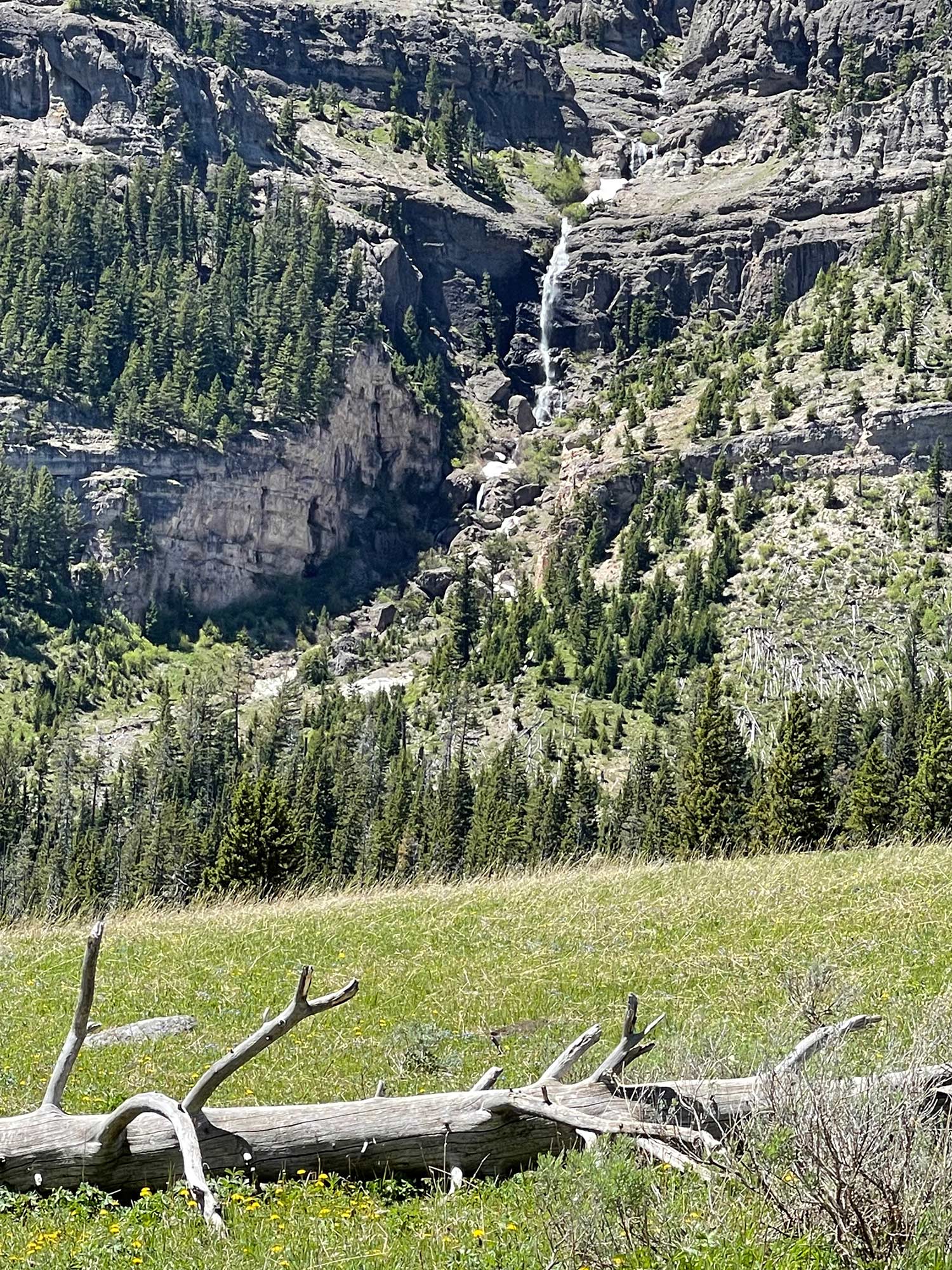
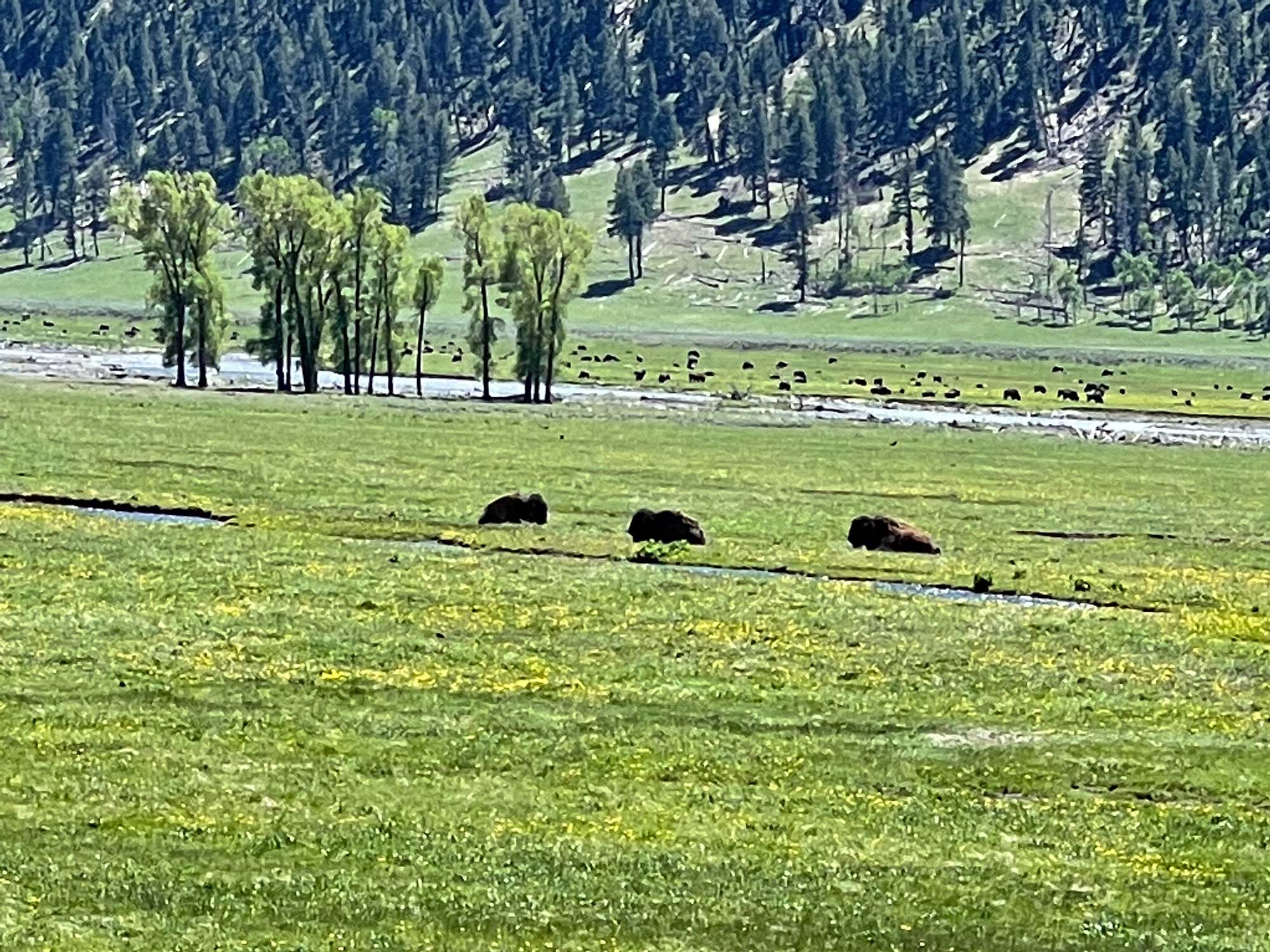
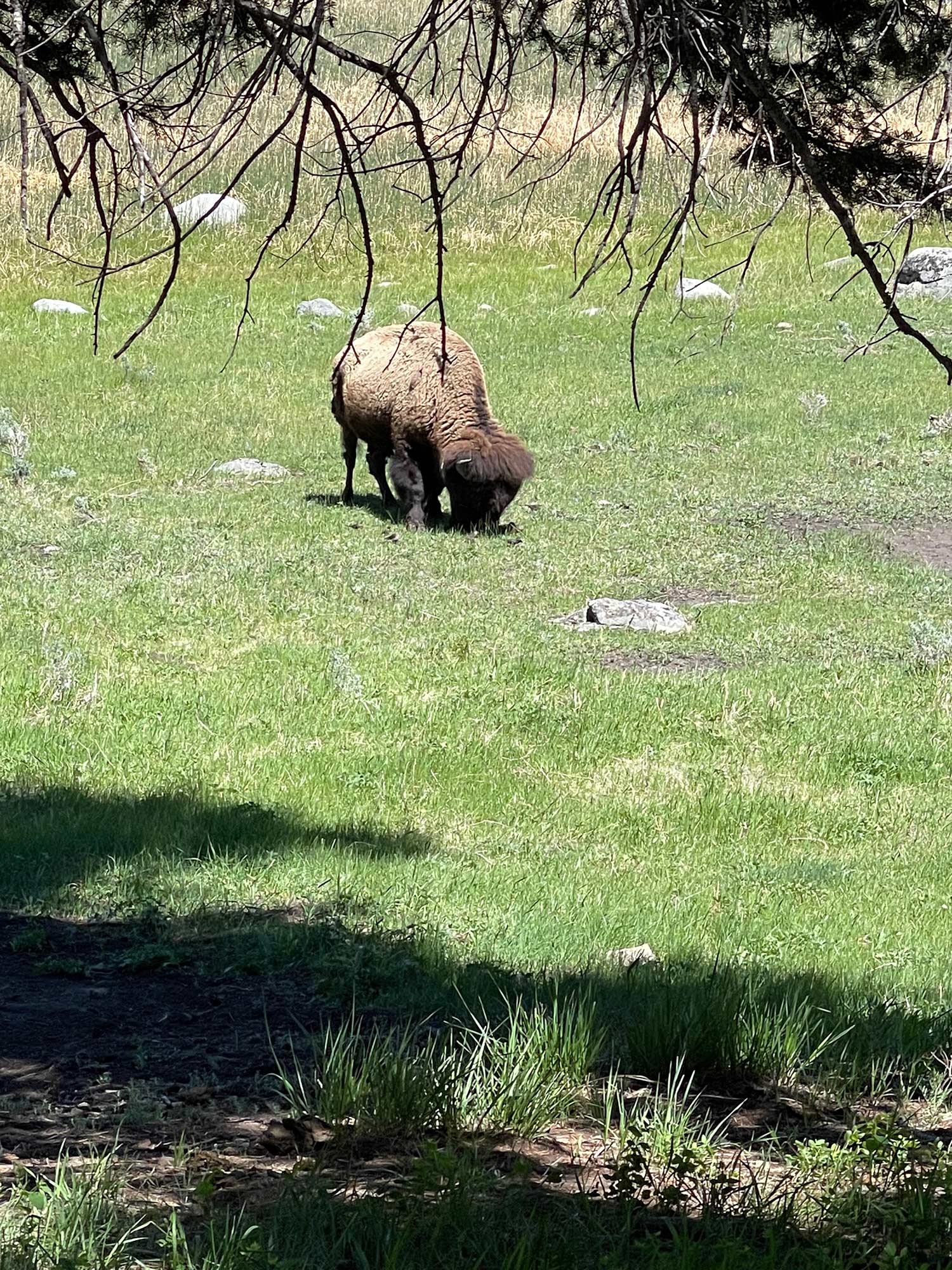
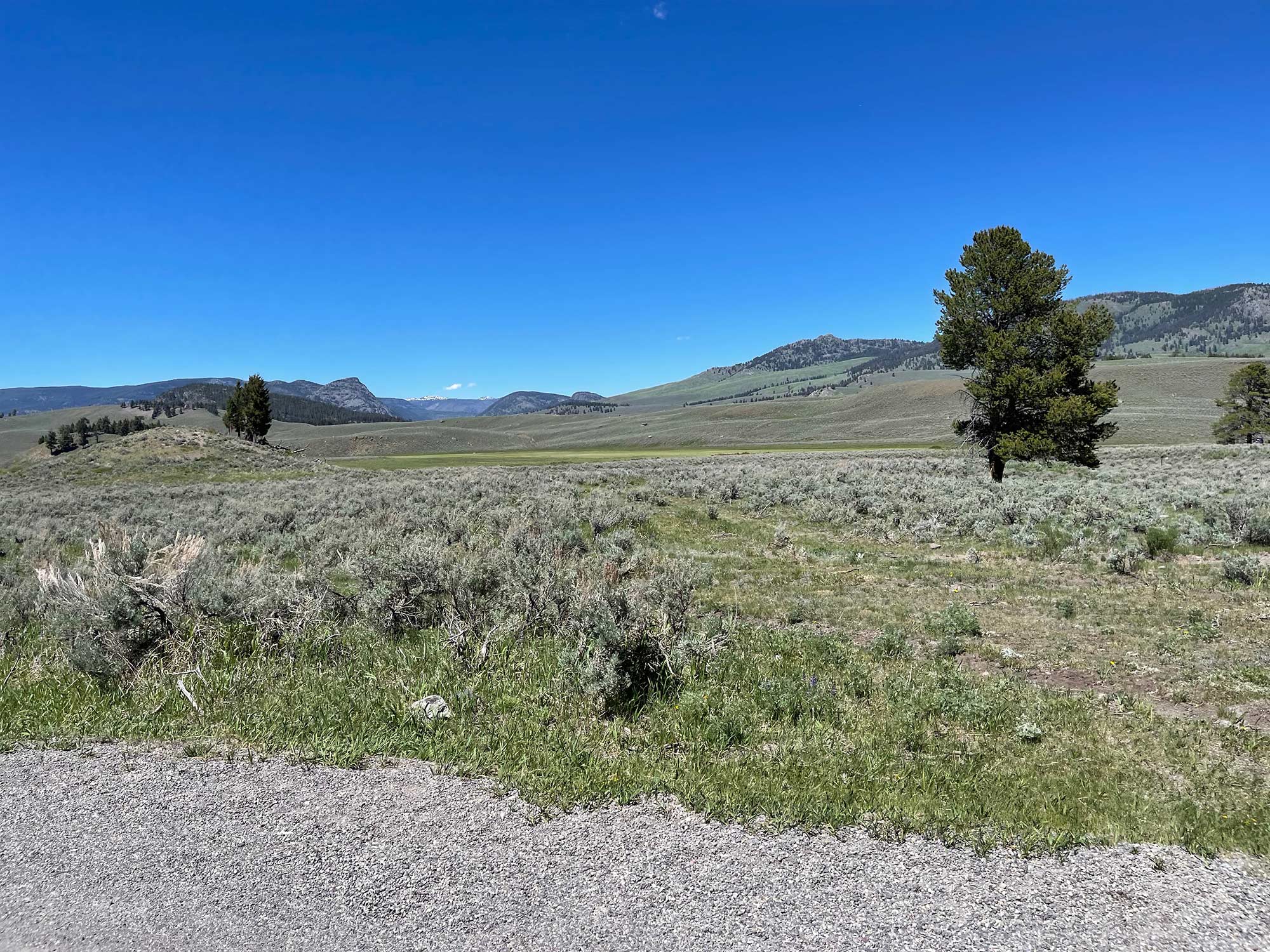
MT YELLOWSTONE NATIONAL PARK: Buffalo from afar and up close and wide open spaces.
Bozeman residents who have been here for years resent the enormous growth of the city in the last few years, somewhat the way those of us in Charlottesville react to the cities sprouting up along Route 29 north and Rt. 250 south, bulldozers chewing up the land between C’ville and Culpepper, and between C’ville and Richmond.
As recommended by Sugar and the other eaters she consulted, we got our car from our prized handicapped spot right in front of the hotel and drove to the edges of town to the Museum of the Rockies on the campus of the State University of Montana. Montana has the most fossils of any state, and this museum was built to display them. It is vast and very well arranged. We spent two hours learning about the science of fossil forensics and paleontology. We were stunned by the size of so many of the creatures that roamed the earth billions of years ago. Fleshing out many of the fossils is like a detective trying to solve a crime.
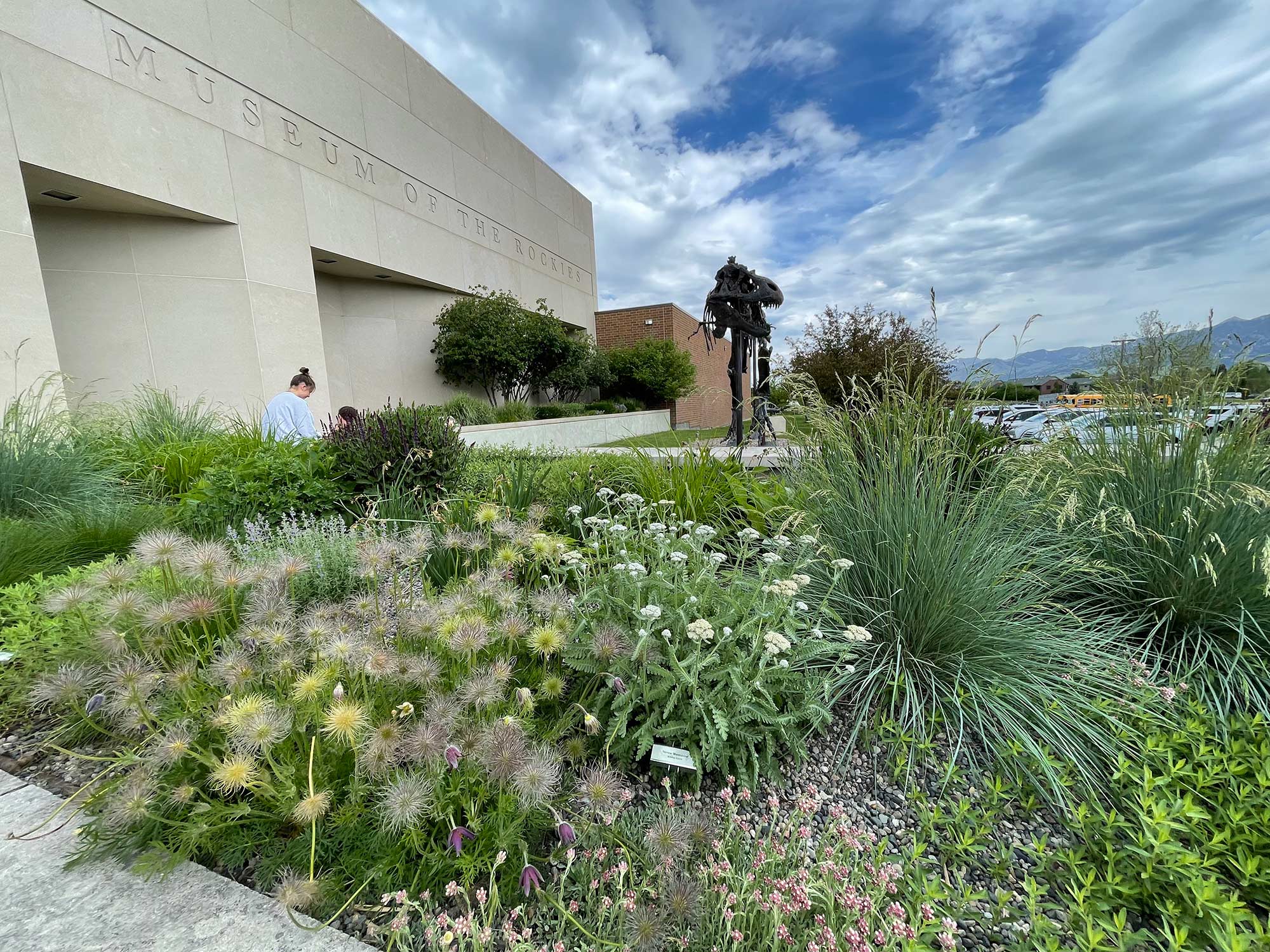
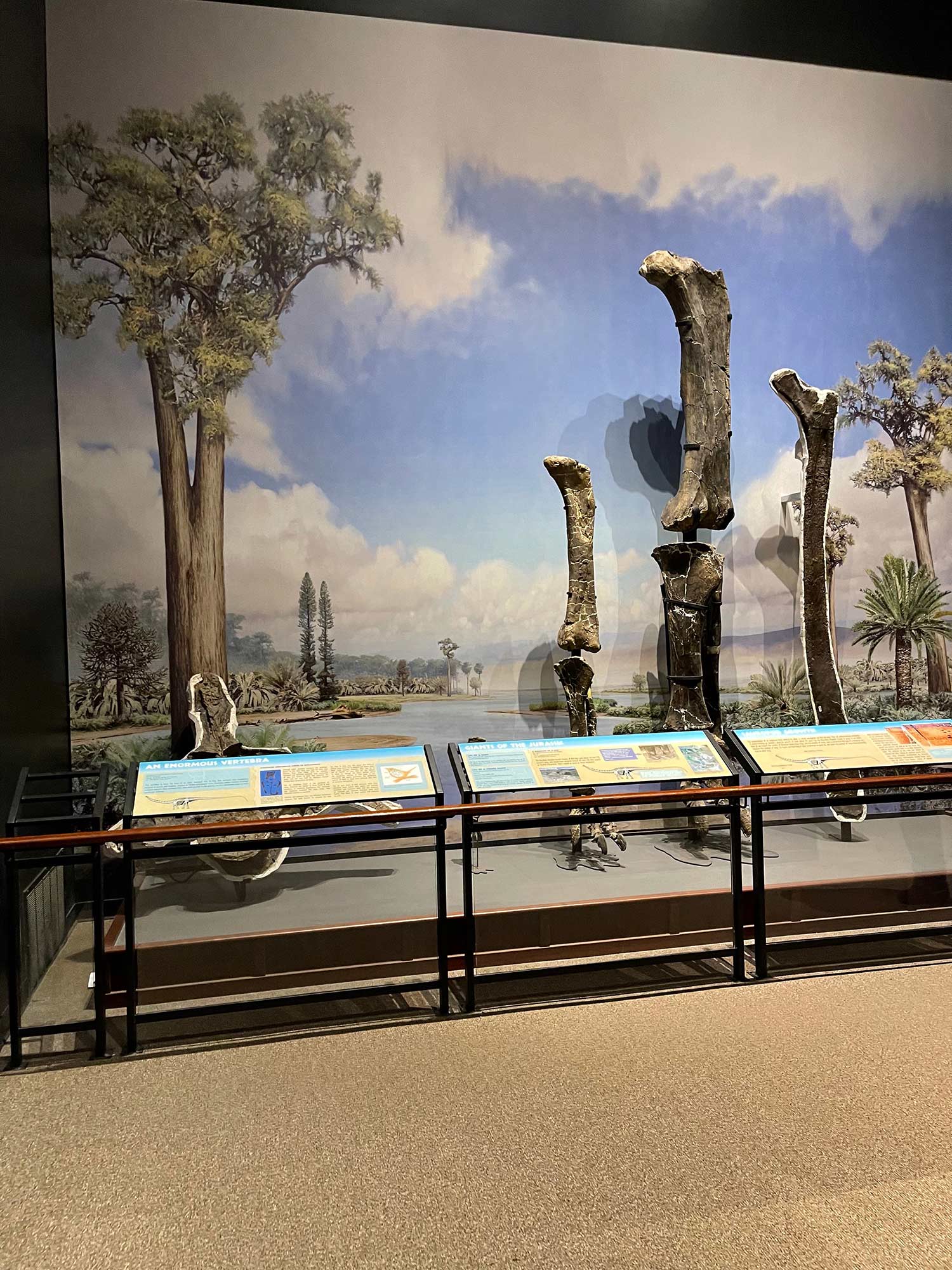
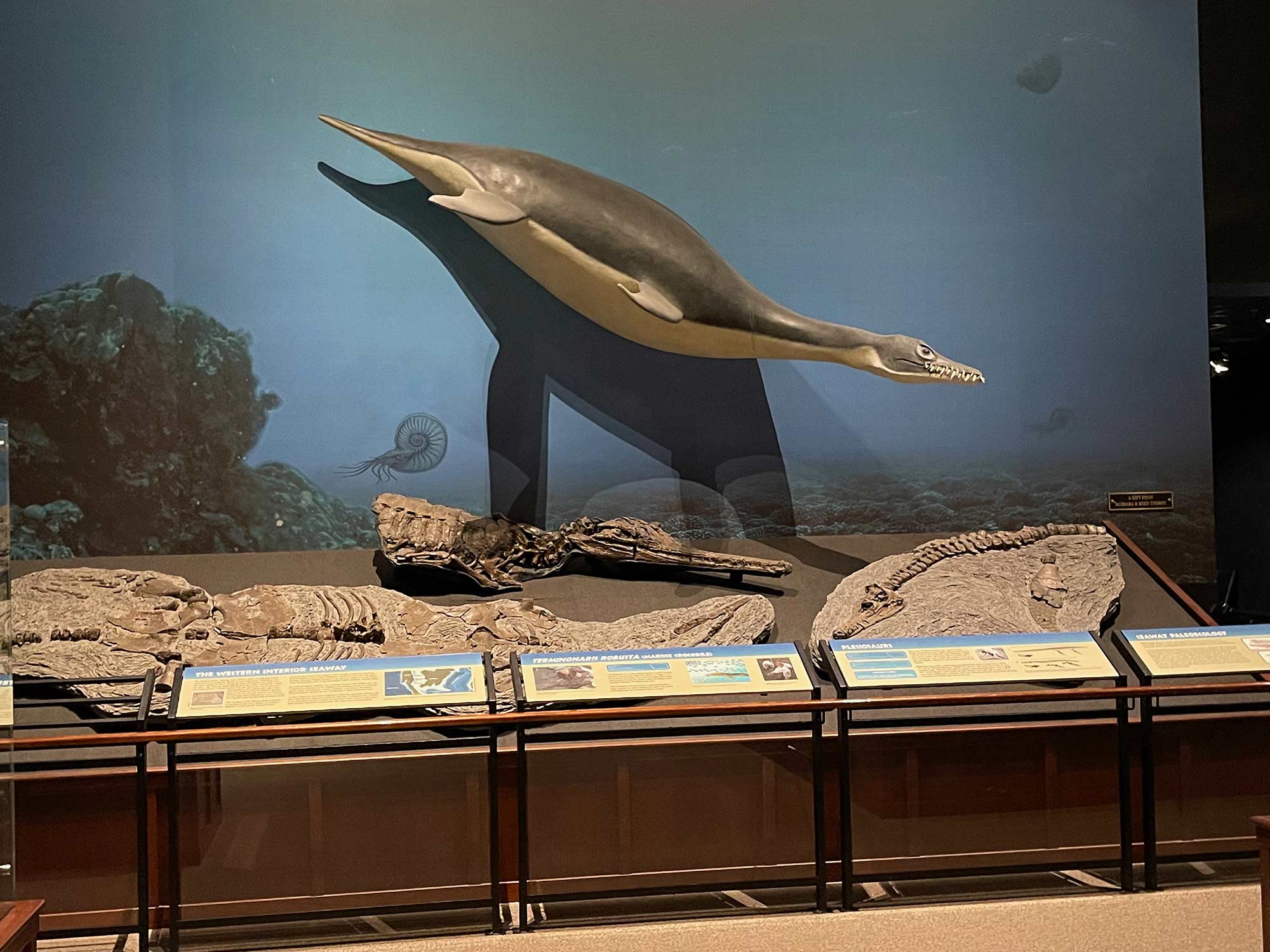
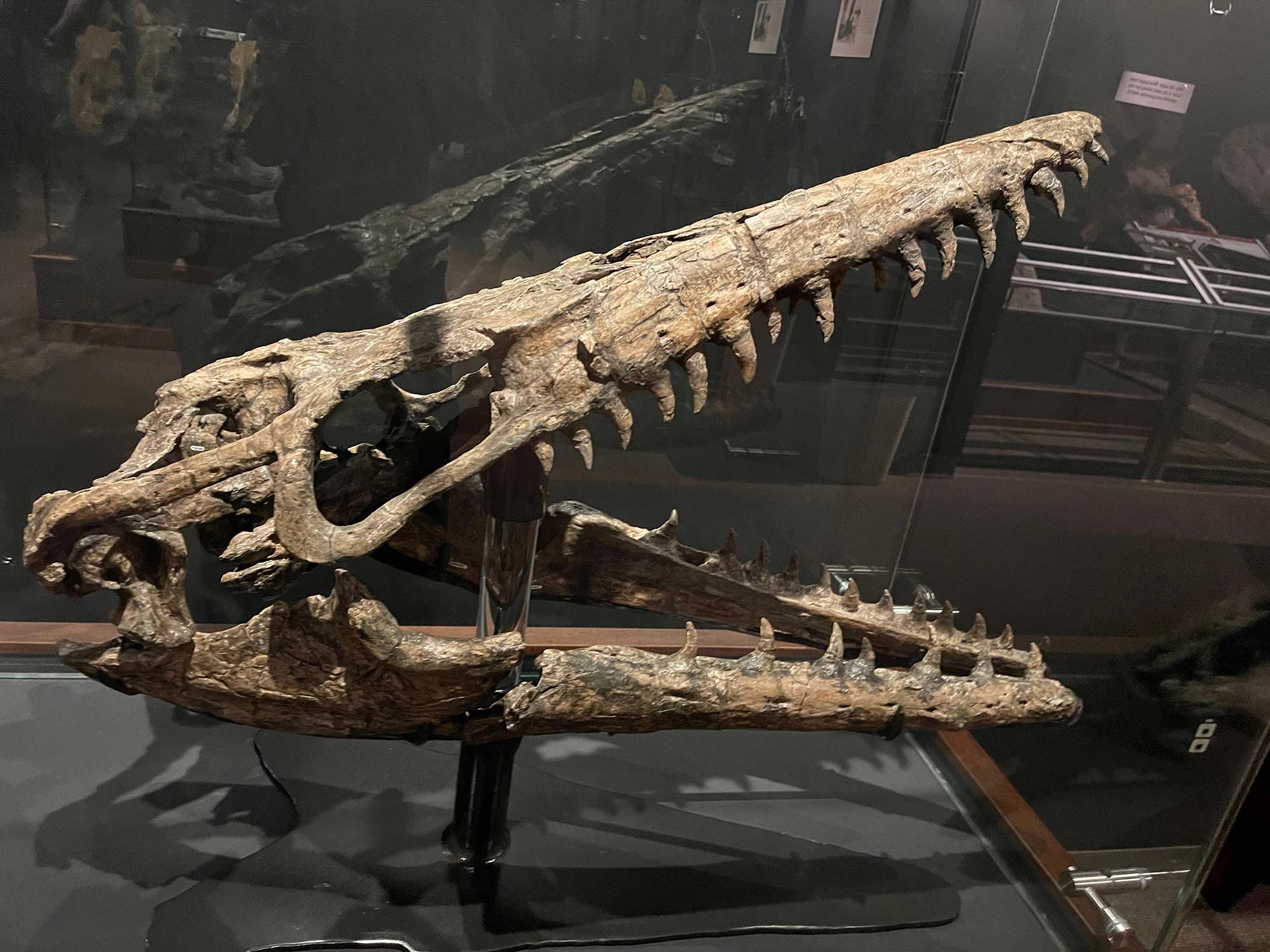
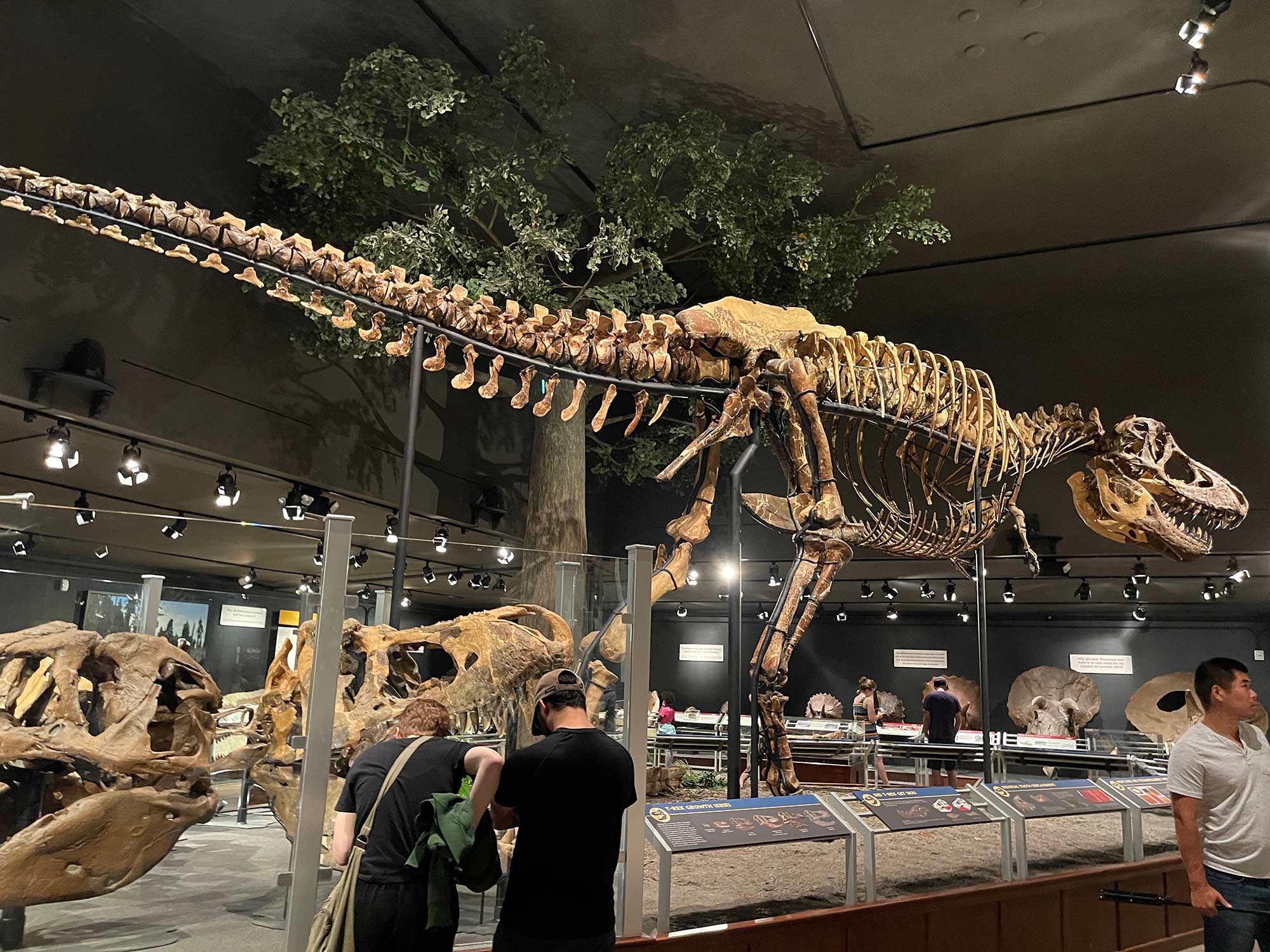
MT BOZEMAN MUSEUM OF THE ROCKIES: on the campus of Montana State University, this museum concentrates on the many dinosaurs and early forms of life that have been found in Montana. The state is known for its fossils.
Our backs tired from museum-ing we went in search of an ice cream shop, to which our GPS guided us. One of our goals is not to pass an ice cream store without going in. Siri often tells us we have reached our destination when we haven’t quite made it, but this one we finally found deep in a confusing shopping center.
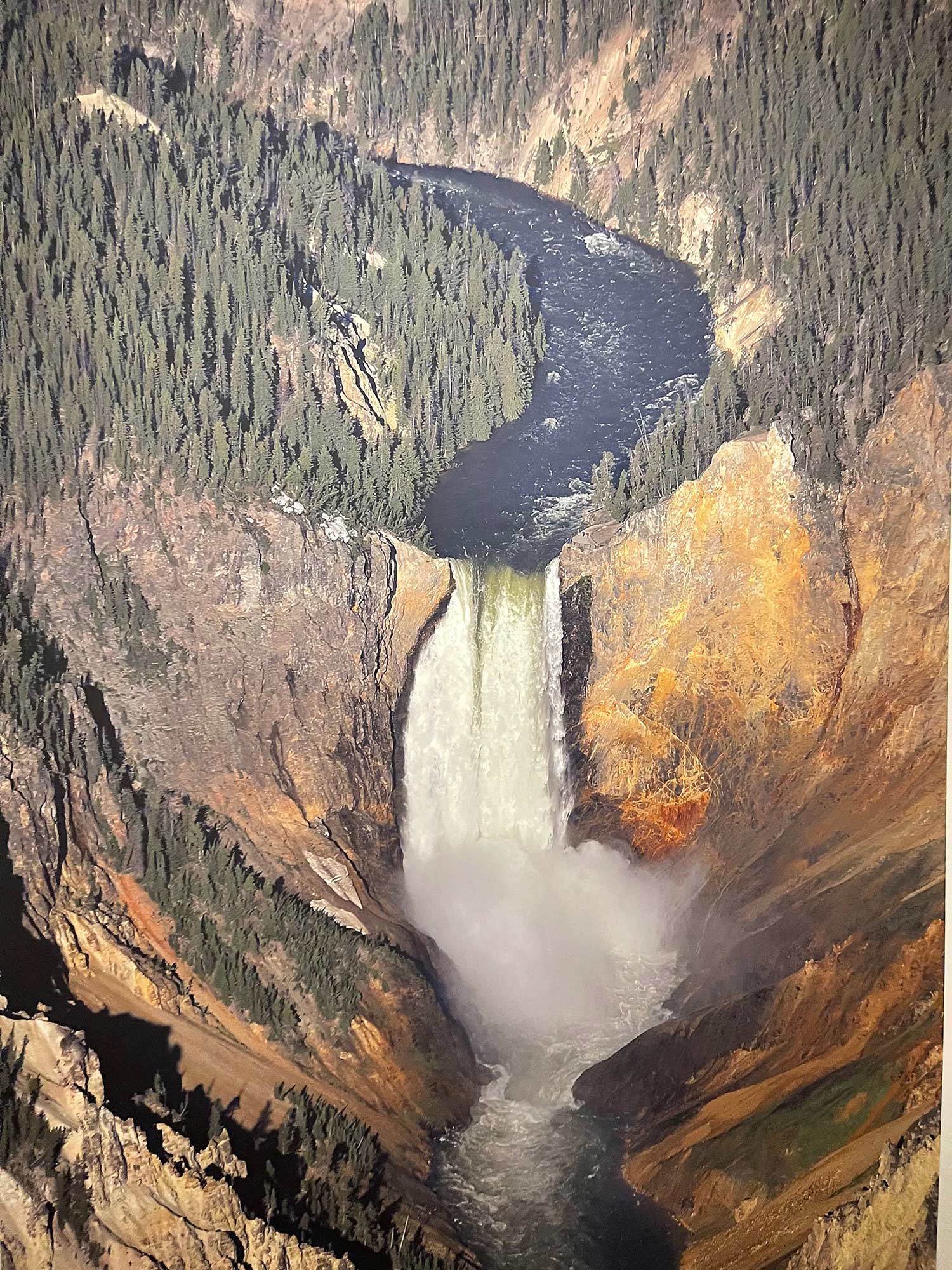
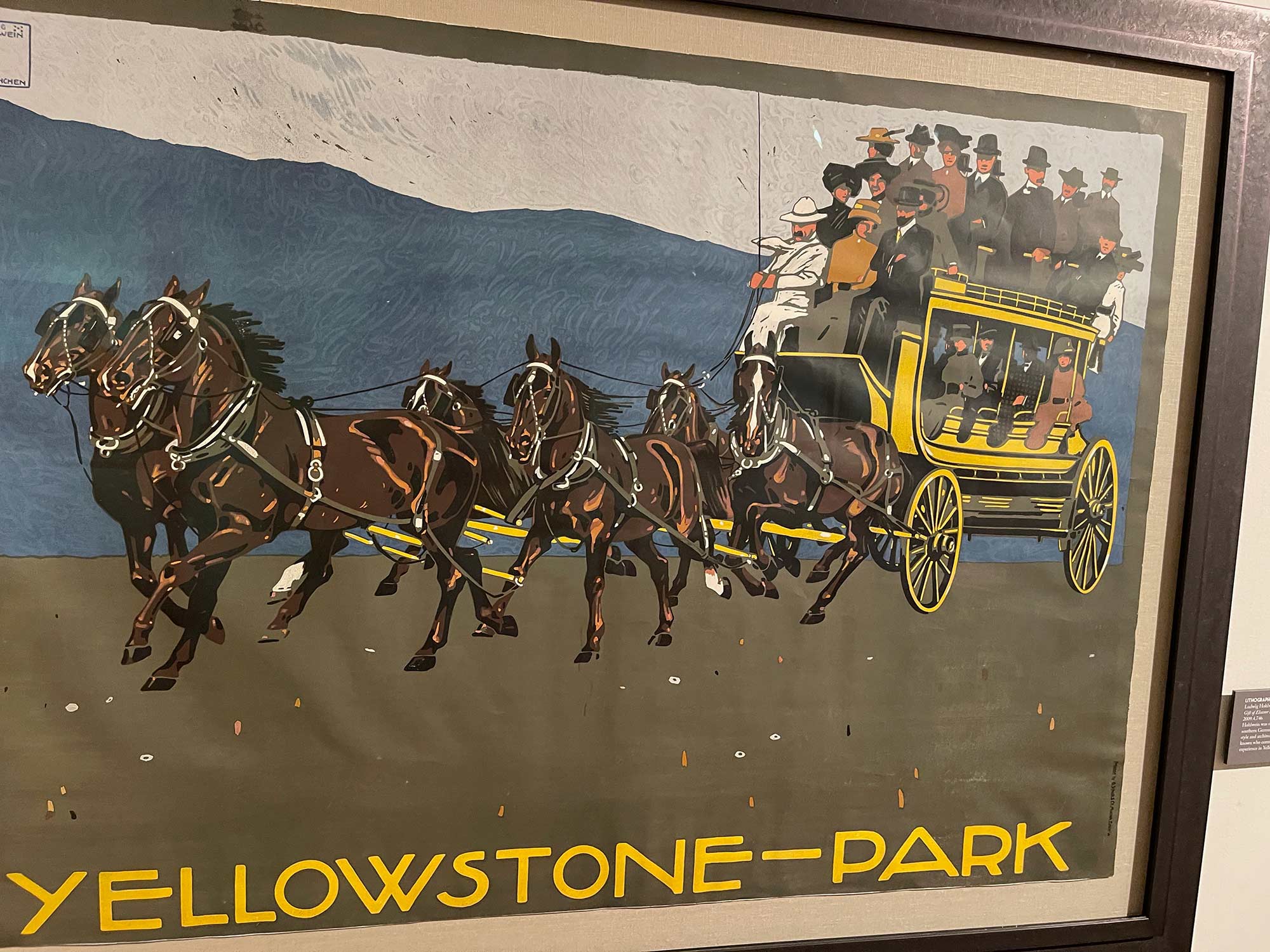
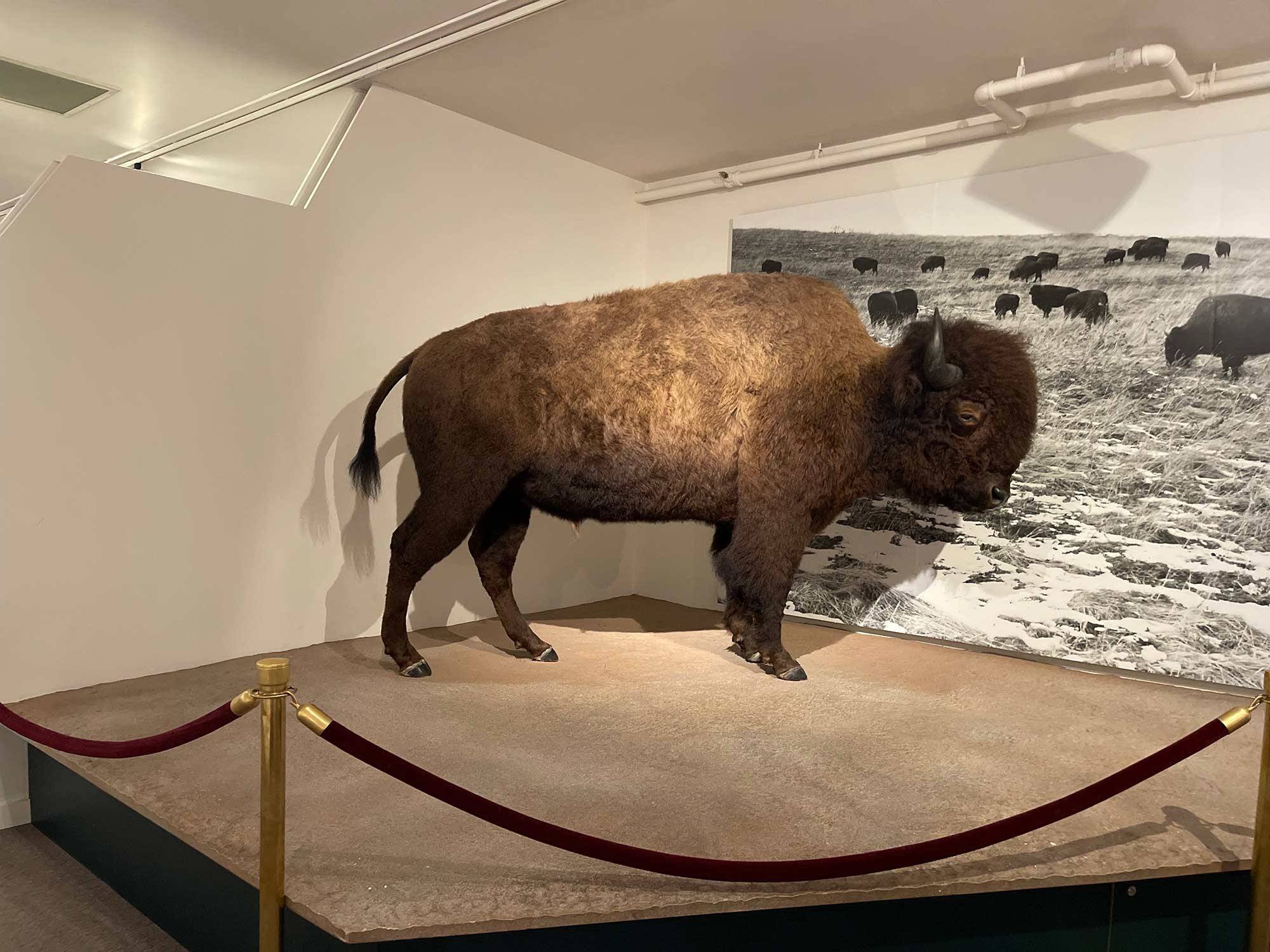
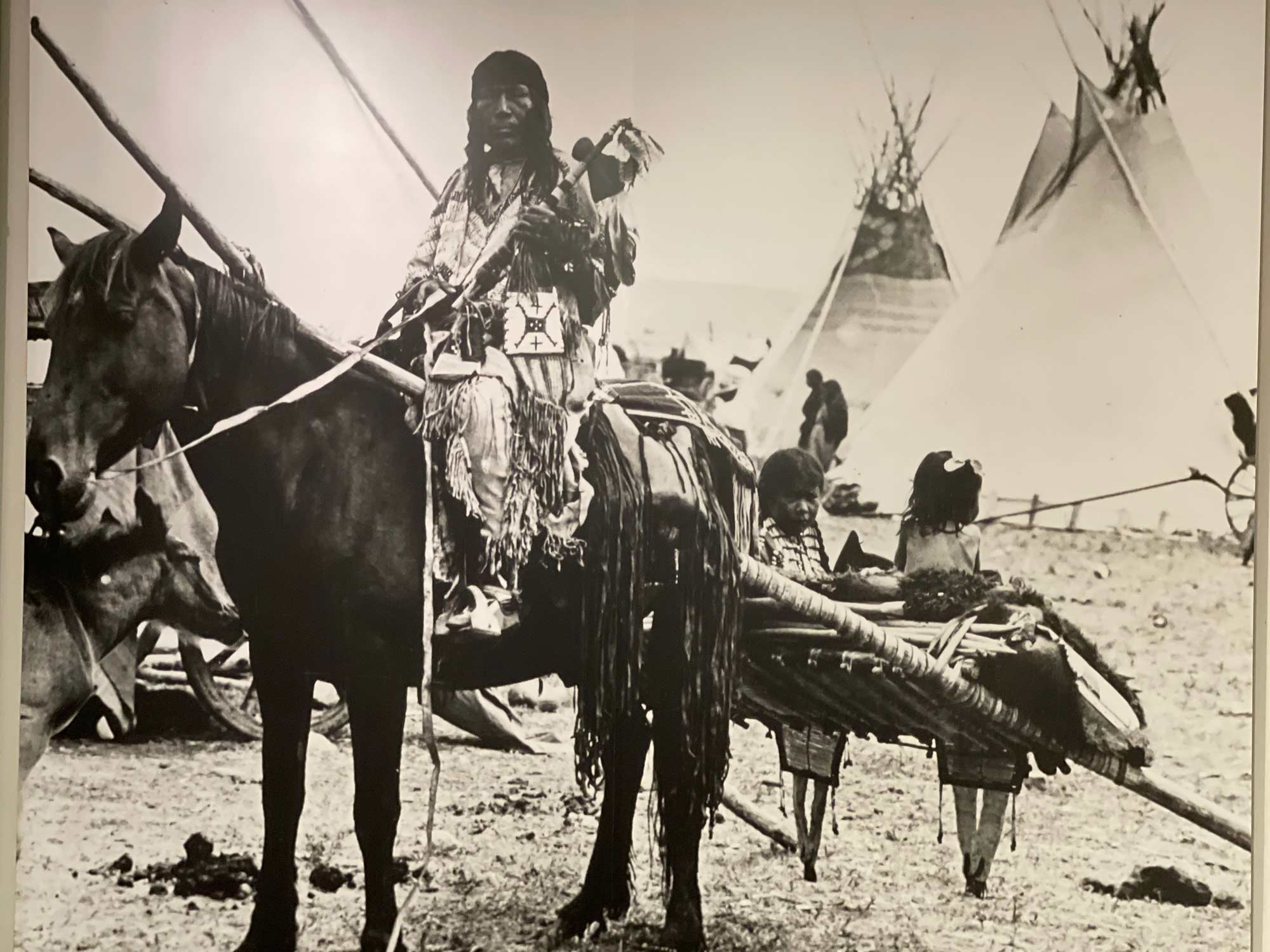
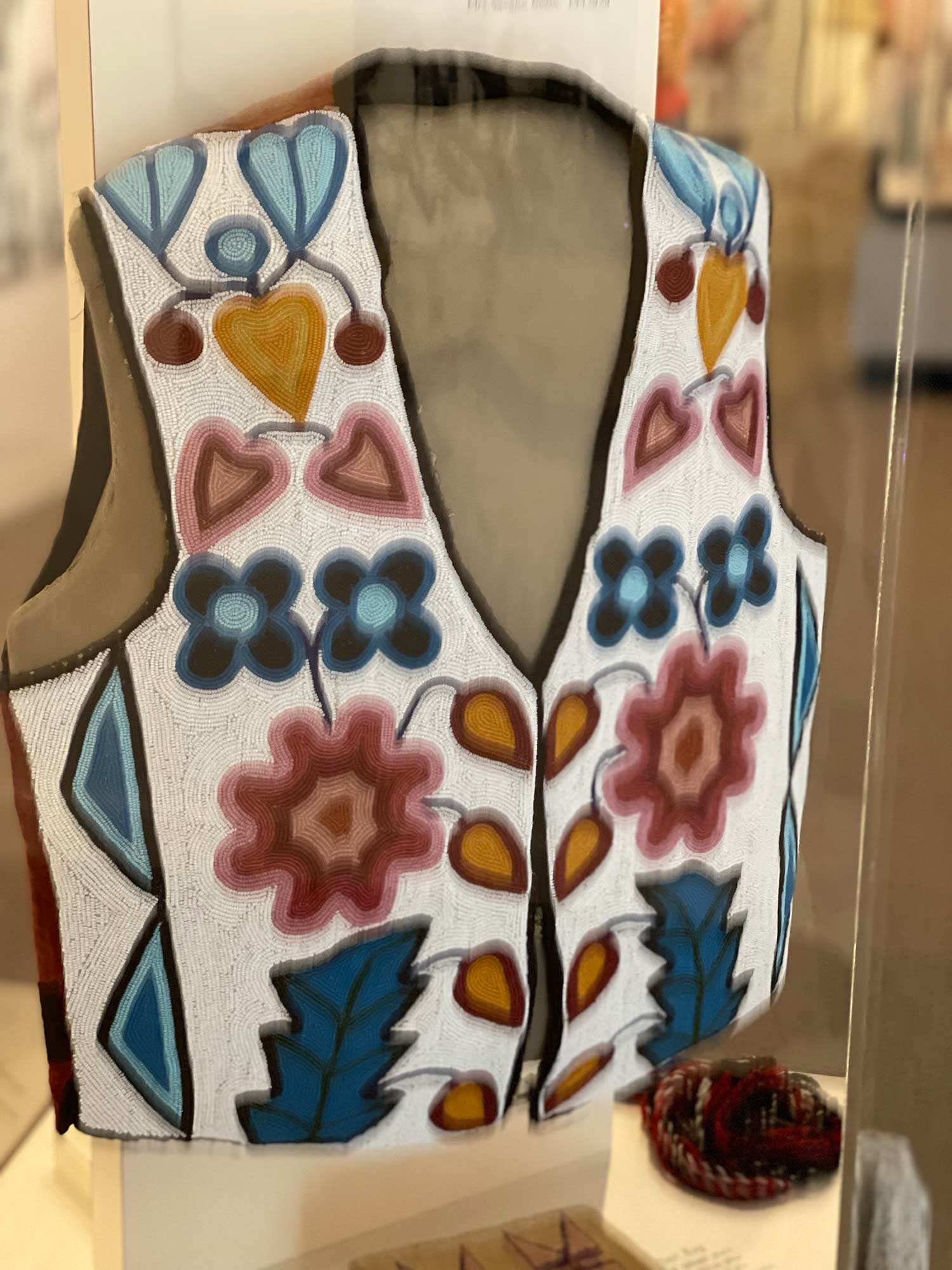
MT MUSEUM OF THE ROCKIES
Refortified, we drove back downtown to the Galletin Historical Museum, which occupied an old jail which still had a few cells to remind you of what it had been. There was even a room where a man had been executed. The rest of the small exhibit was devoted to the influence Albert Gallatin had on both the Montana Territory and the United States. He still holds the record as the longest-serving Secretary of the Treasury, first appointed by Jefferson. Later in life he served as the American Ambassdor to the Court of St. James’s. He also became an expert on American Indian tribes.
The museum gave us a good sense of what it was like to be an early settler in the Bozeman area, as well as a sense of the ceremonies, way of life and culture of the Indians. What it didn’t have was any mention of the wild horse packs that early on in the 18th and early 19th centuries numbered in the thousands in the Montana territory. They were a hardy bunch, able to survive severe winters by pawing through the snow to get at grass underneath. Their sources of water were many, especially in the area where the rivers run north, like the Rosebud, the Powder and the Big Horn. They flow first into the Yellowstone River, which then, further north, joins the Missouri River.
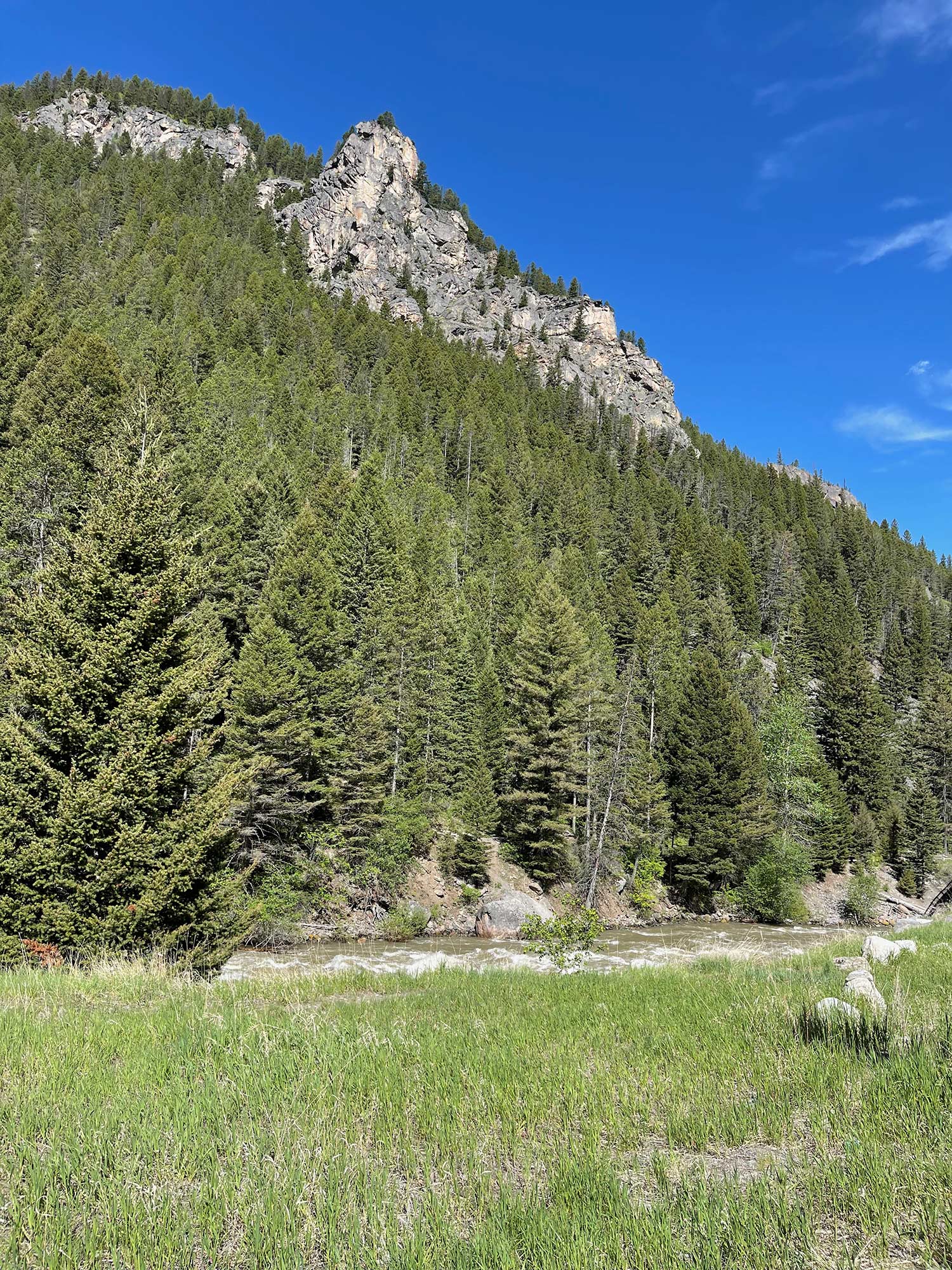
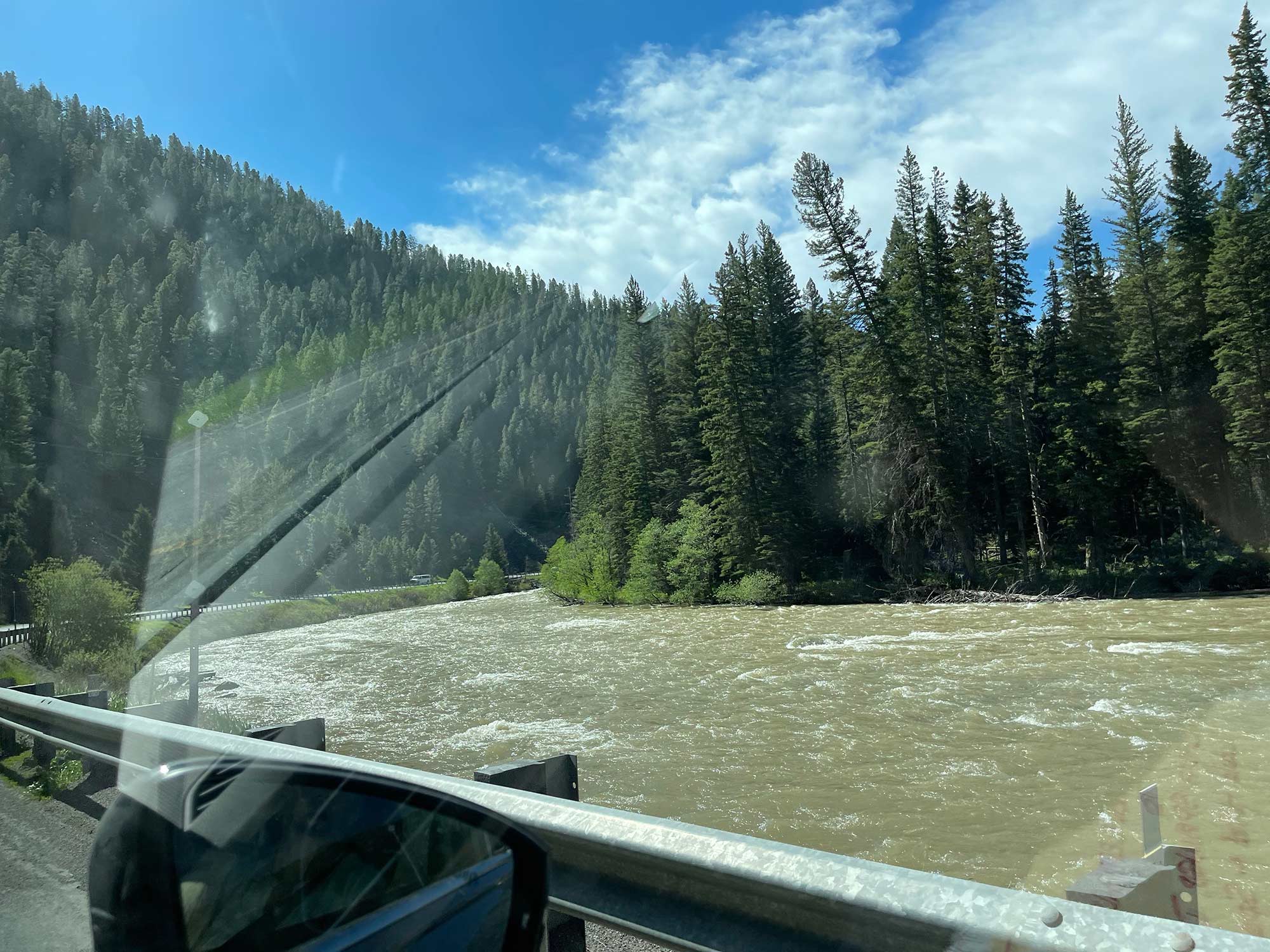
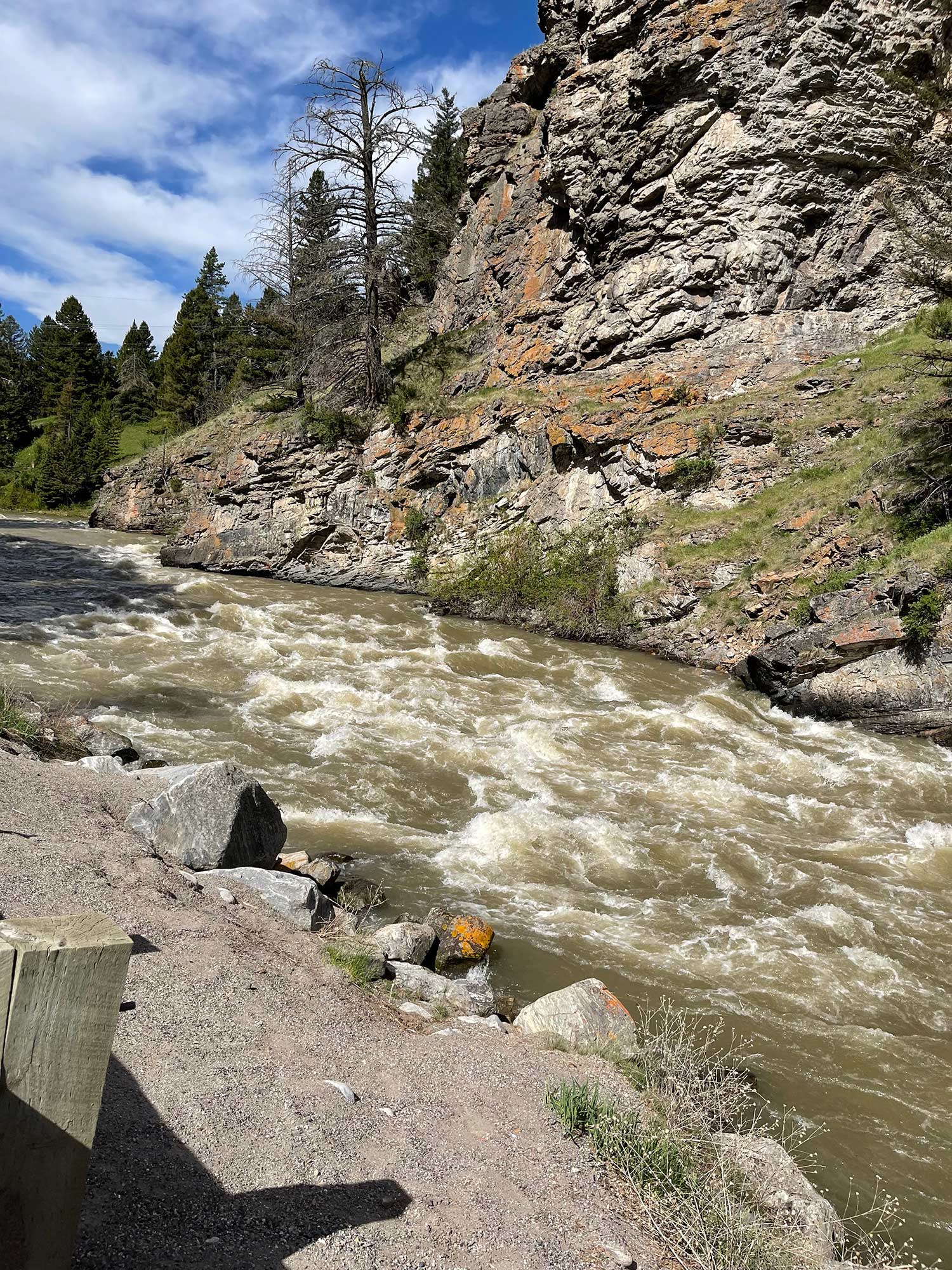
MT CUSTER GALLATIN NATIONAL FOREST: The Gallatin River still showing signs of snow melt.
As a lover of horses I had read a book called “Where the Rivers Run North” while we were at the FH Bar Ranch in Wyoming two years ago. I can’t understand why the history of the horse in this area isn’t dealt with in museums, as it is a rich history. First, the wild horses had to be caught and broken for the Indians’ own use killing buffalo and fighting the federal soldiers. They were followed by settlers who were drawn to the fertile and beautiful valleys made by the rivers. Polo was a popular sport among wealthy easterners, especially on Long Island. Soon the versatile western horses were being shipped east to become polo ponies. When World War l came along, thousands of horses were shipped east, put on troop ships to be ferried to Europe to join the cavalry. The carnage of that war was horrifying, for the men who rode them as for the horses. When WWll began horses from Montana were still being sent in the Remount Program, although quite quickly it became obvious that horses were no match for tanks, so the sending of horses dwindled. Somewhere in Montana or Wyoming there must be a museum that deals with the history of the horse, I hope.
In the late afternoon we went back to the hotel, rested, caught up on our cell phones, and read. Bozeman is teeming with tourists and dinner reservations were hard to get. Finally we struck it rich and had a good meal at the Blacksmith Italian restaurant. No power outages this night!