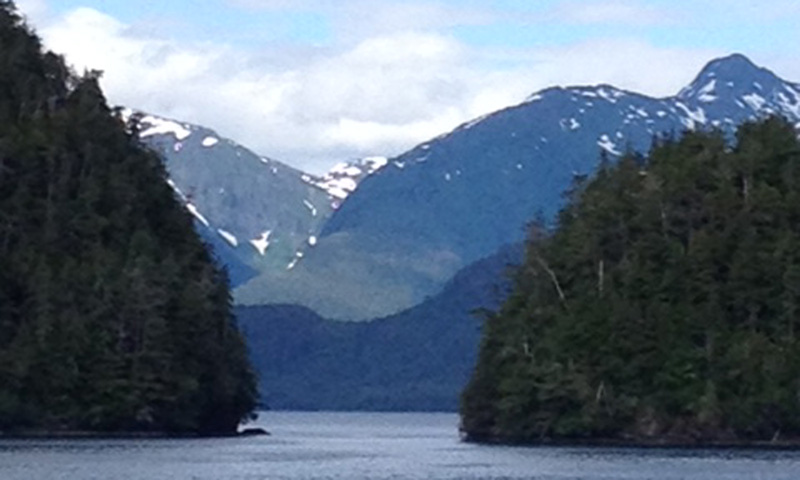
Alaska – Raptors and Mist Cove

It’s Sunday morning, and we are free to sightsee before they come to take us to the Mist Cove, the name of the boat that 24 of us will be traveling on for the next week. A reminder: we will be taking the Inland Passage, starting in Sitka and ending up in Juneau, Alaska.
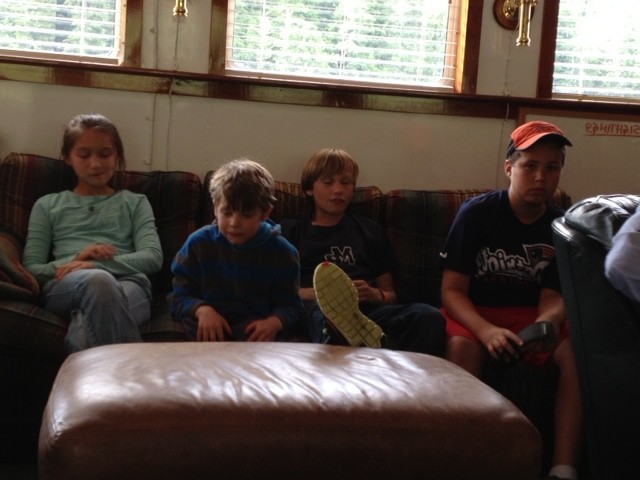
grandchildren
Fred and I stole our grandson, Nate, from his parents, and walked across the harbor that was packed with fishing vessels, through the rain forest park and up to the Raptor Center. This is both a clinic for injured raptors, and an indoor/outdoor museum of eagles, owls and falcons in various stages of mending from their injuries.

Injured raptors come in from all over Alaska. 80% of the injuries come from something to do with humans – power lines, cars, even airplane engines. Believe it or not, one eagle, aptly named “Lucky,” was nursed back to health after going through a propeller engine!
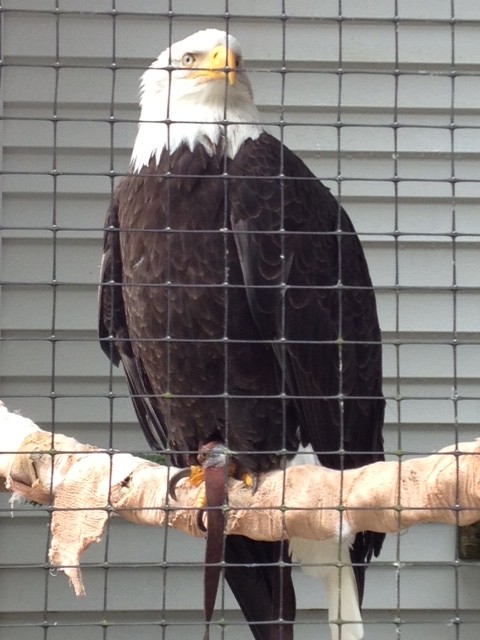
eagle

The interior of the main building is a large habitat for recuperating eagles, complete with ponds, trees, and perches. They keep lots of road kill and fish available, because if food were to become scarce the eagles would become territorial over it and begin to fight. The female eagles are the largest, weighing from 7 to 14 lbs. The males are smaller.

The raptors whose injuries keep them from ever flying again are in spacious outdoor habitats, with walkways between then. Prominently displayed is a sign that points out that this is also the natural habitat of bears, so to be on the alert!

We walked back to the hotel in time for our pick up at 2:00 p.m. Duffle bags were loaded on a van, and a couple of crew members walked us all through town to the docks where the Mist Cove was waiting.

The crew only has one night, Saturday, between groups, but the boat was immaculate and everyone mustered to greet us. The bright work and the brasses all over the ship were shining.

Our cabins are on two decks amidships, with kayak and skiff storage and Captain Eric’s pilot house also on the top deck. On the main deck behind the cabins is a spacious lounge, and behind that the fan tail where all meals are served. It is enclosed with plastic curtains that keep the cold air out but allow you to see the view.

The table is of an ingenious design that makes it easy to talk to those both around and across from you.
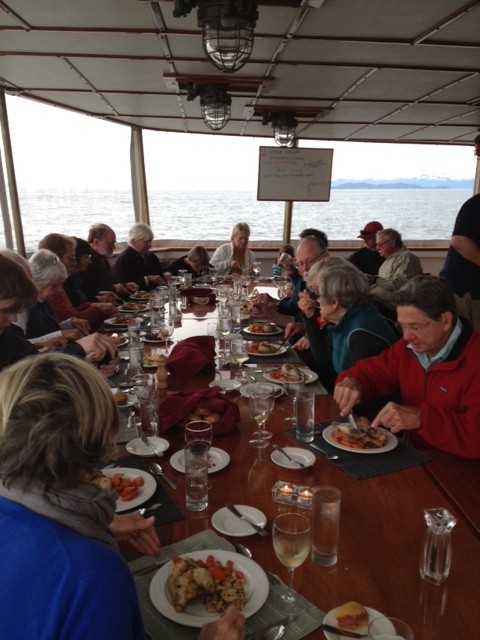
fantail dining
Dinner was superb, and we went to bed so excited it was hard to get to sleep. Nate, our adorable, talkative, curious seven-year-old grandson in the bunk above us, was positively quivering with excitement!

See more photos!
The Start Of A Trip To Alaska!

Starting more than a year ago, I began organizing a trip I’d long to take for some time – a week on the Inland Passage of Alaska with The Boat Company, a non-profit educational foundation that exists to educate those on board about the delicate ecology of this temperate rain forest.

I recruited grandparents to bring a grandchild, planning to take our 7 yr. old grandson, Nate, off his parents’ hands for ten days since they just had another son, Will, in March. After hearing about the trip for months, they allowed as how they would like to come too, so their whole family is with us!

The boat, “The Mist Cove,” holds 24 passengers, and right now we are preparing to go to the boat from our hotel in Sitka. A week from now we will disembark at Juneau. Every day I will write about what we’re up to, including the two days we spent first with my cousin on Salt Spring Island, in the Gulf Islands off of Vancouver, an incredibly beautiful spot itself.

Because we will be incommunicado for a week, I will write every day, but the blog posts won’t go online until next week. I’m going to try the Dickens’ approach of just posting a manageable amount every few days when we return, so blog readers won’t get overloaded – so tune in later!

More Alaska/B.C. photos

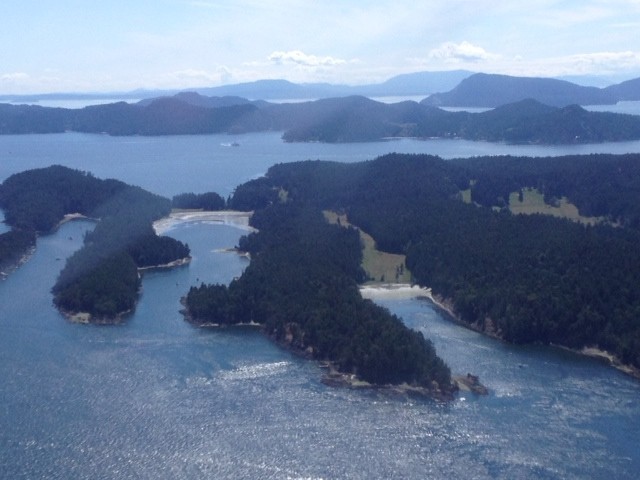
The Gulf Islands off of Vancouver


featured photo credit: D-Stanley via photopin cc

Wine Country

Mendoza

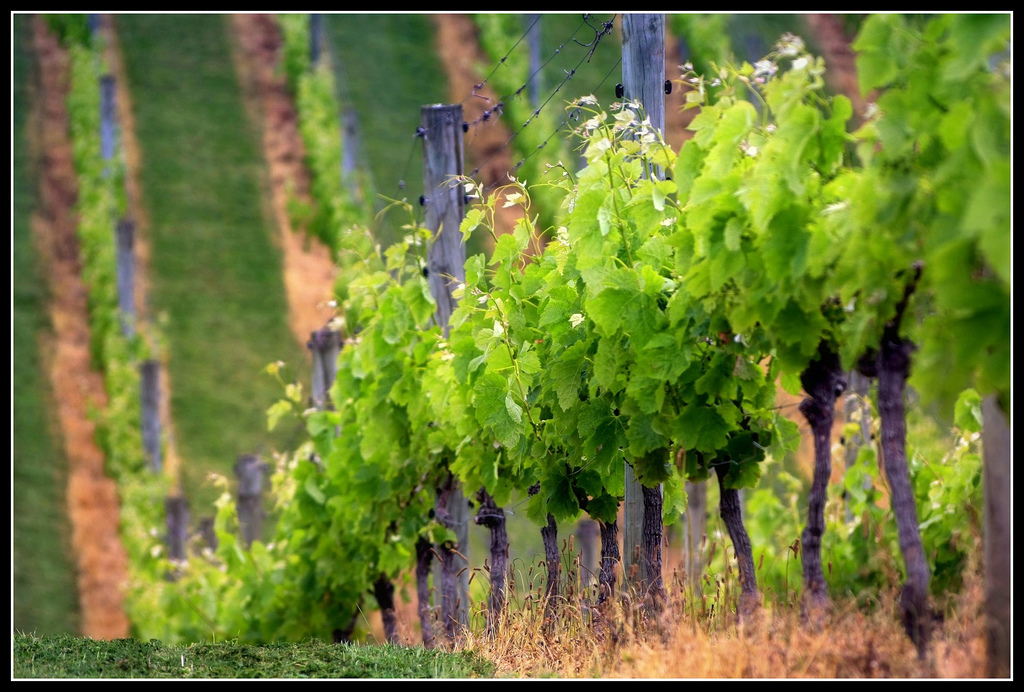
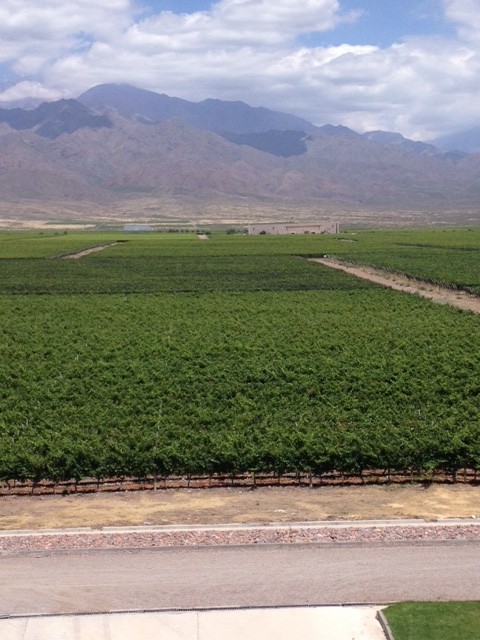
Argentina’s three main industries are oil and natural gas, wine and tourism. The most striking thing about Mendoza, ground zero of Argentinian wine making, is the size of the vineyards. Looking down from the air miles before the plane landed, you see acres and acres of long, rectangular green plots all dependent on irrigation, as are the clumps of green trees, bushes and flowers that follow the roads through what is otherwise an arid semi-desert.

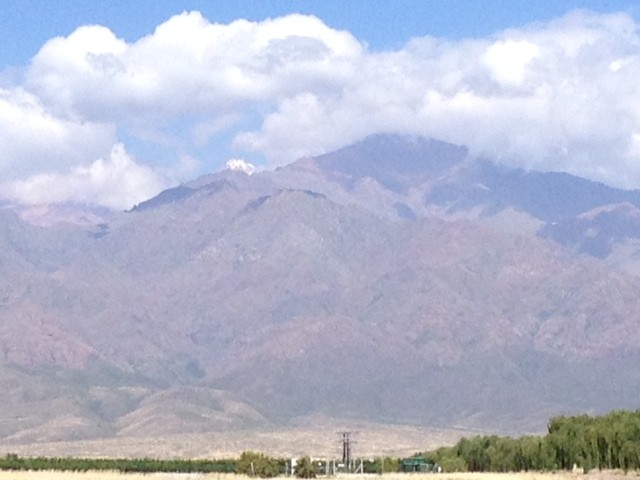
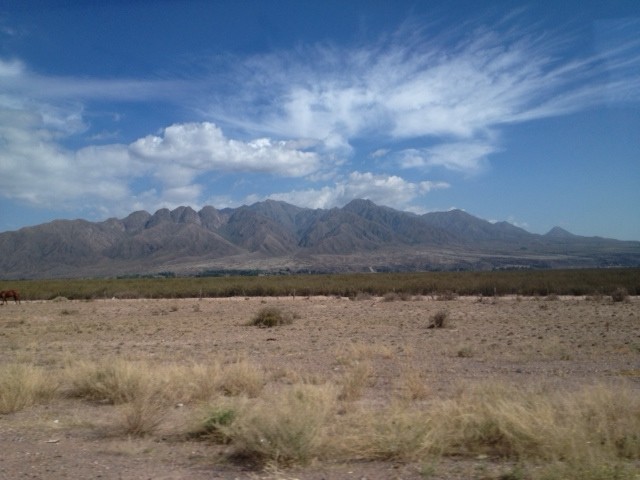
The Andes rise up to the west of the city like a Hollywood background set. The mountains were faint in the heat the few days we were there, as if you could push them over with your finger. They were gigantic, but also so seemingly insubstantial as to appear fake.

The first wine stock was brought to Mendoza in 1610 by the Jesuits. The trickle of immigrants from Spain and Italy became a flood when the train from B.A. arrived in Mendoza in 1885. Up until the 1970’s most of the wine produced in Mendoza was consumed in Argentina. Many different types of red and white table wines and blends of moderate quality were made; but the region was known for a red varietal from Cahors in France, unflatteringly called Malbec because the taste of it was “mal,” which means bad, on the “bec,” meaning mouth. The 1990’s saw the arrival of foreign investment, and the emphasis shifted to single varietals and from quantity to quality.

To achieve this quality, pruning is done twenty days before harvest to concentrate nutrients and to assure a dark, full-bodied character by sacrificing quantity. Because of the threat of damaging hail, many investors will spread their vineyards over a wide geographical area, specializing in blends of the same varietal from different microclimates.

I’ve written in a previous post about the importance of water rights to the snow melt from the Andes, which is stored in reservoirs and released at pre-arranged intervals to flow through canals and into the small trenches or the hoses that run parallel to the rows of vines. Without this resource there would be no wine making in Mendoza. What happens, then, if climate change causes less and less snow to fall in the Andes?

We spent all of one day in the Uco Valley, south and west of town and higher than most of the vineyards. On the way to the Clos de los Siete, gaining altitude, we passed vegetable gardens and peach, cherry and apple orchards.

The extent of Vineyards in Mendoza

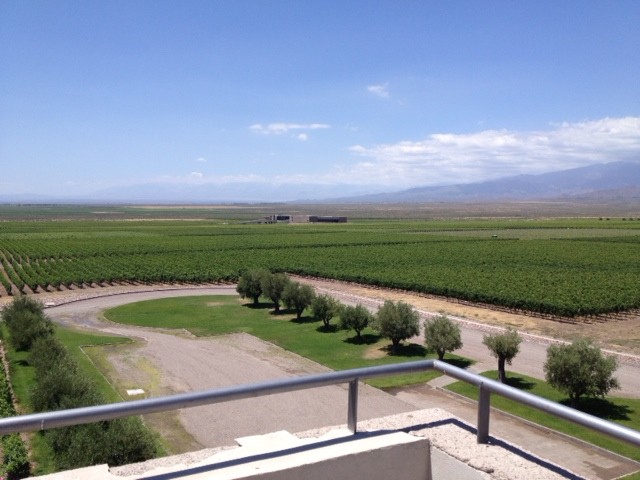
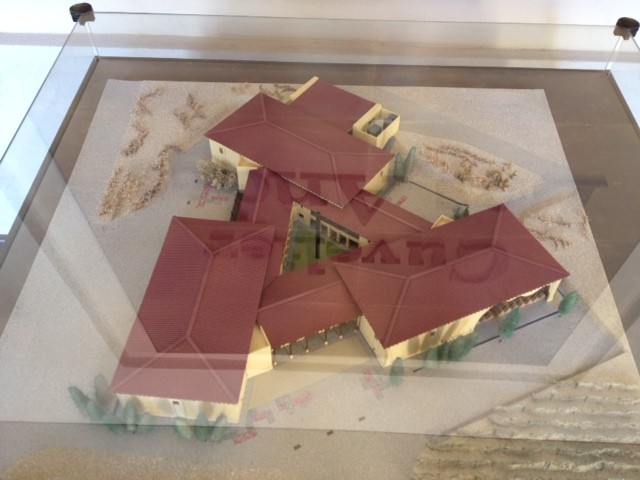
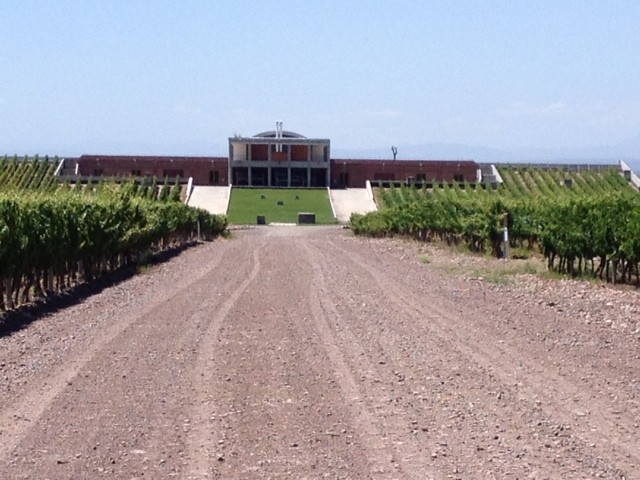
The two-thousand acre clos is the project of seven foreign investors, French, Italian and Swiss, several of whom already own chateaux with fine vineyards attached in Europe. They are escaping the myriad regulations of France and seeking to produce fine wines in greater quantities than they can in Europe. Five of the seven have their own wine-making bodegas on the property. It is an impressive sight as you drive in, nothing but vineyards stretching to the mountains, punctuated only by the five strikingly different in style bodegas in the middle of each property.

Weather conditions are near-perfect for grapes; constant sunshine, low humidity and water that is full of minerals can be depended on. Spraying with chemicals is not required. Hail is a constant danger, and the better vineyards put up netting on the sides of vines to protect from it.
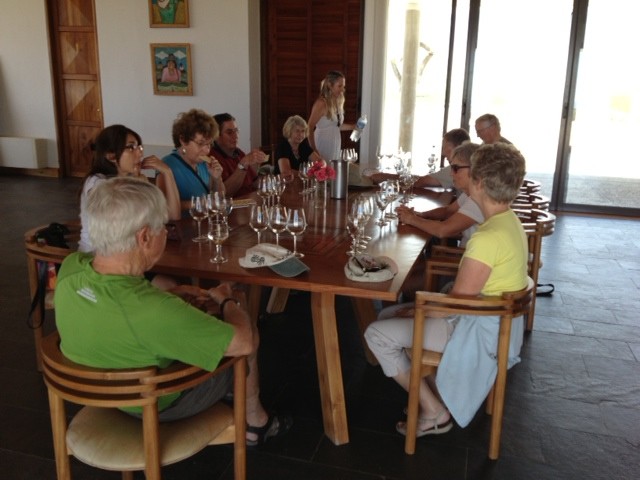
We visited three of the five bodegas, and were treated to a delicious lunch and wine samplings in the house-like apartment of one of the owners who was not there.

Their plants are only fourteen years old, and it takes one plant to produce one bottle of wine. They turn out one million bottles of Clos de los Siete (a red blend of grapes from all five wineries) a year, 80% of which is exported, which is why we see so much Malbec in the States these days. The producers are worried because 25 – 30% inflation has caused the Kirchner government to cut down on how much they can export, and importing the volume they require of real cork from Portugal and oak barrels from France is becoming difficult because the government wants the vineyards to use local products.

The three vineyards within the clos that we visited were Cuvellier de los Andes, diamAndes and Monteviejo.

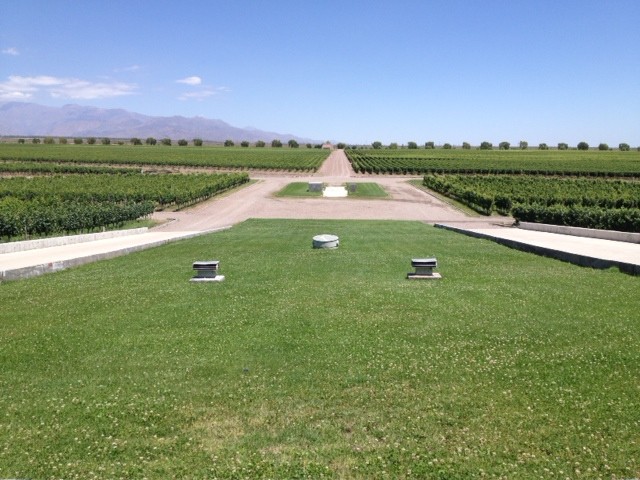
As far as the eye can see...
As far as the eye can see…
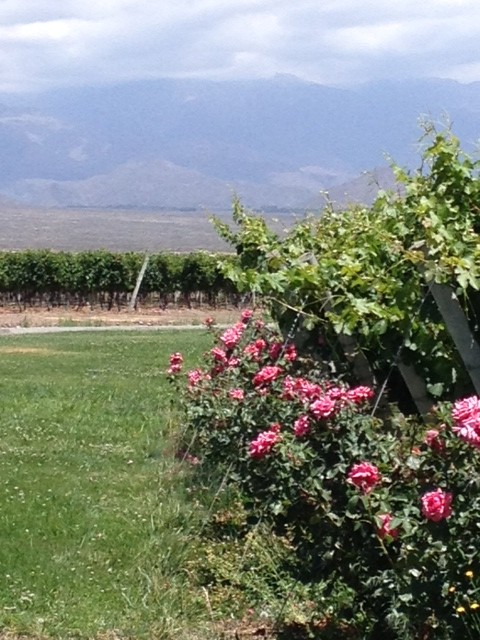
Roses surrounding vines
Roses to keep pests away from vines…although they are not needed in their dry climate. They are planted for tradition’s sake.
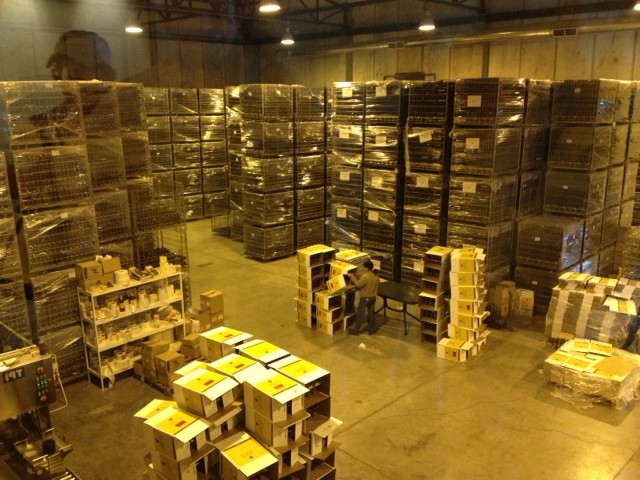
Box storage for shipping
The Andes from the Clos de Los Siete
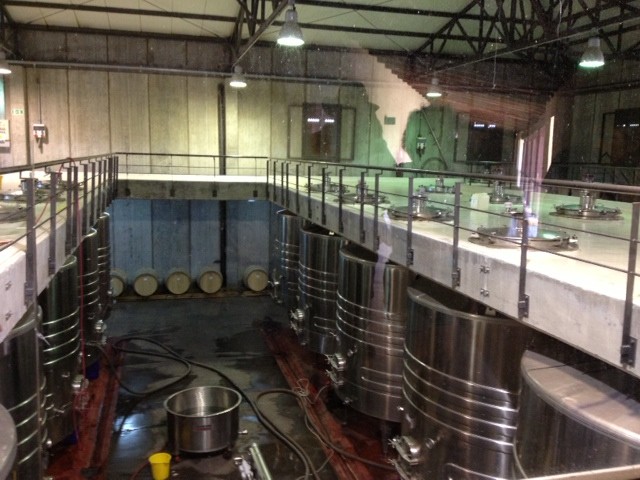
Stainless steel tanks for fermentation
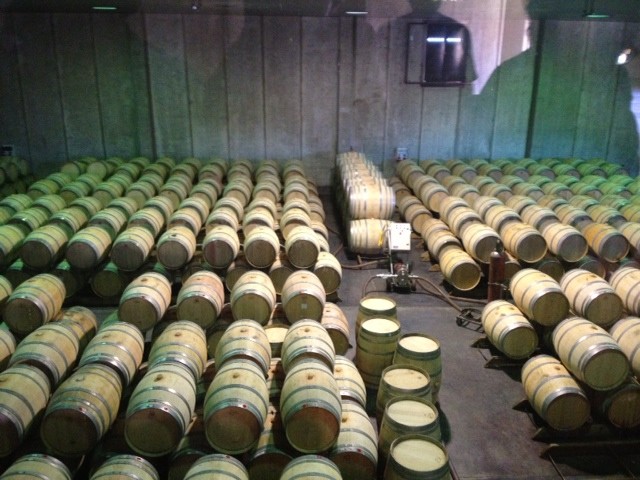
After fermentation time in French oak barrels
Very traditional layout for this bodega
dirt road leading to winery entrance
Monteviejo within Clos de Los Siete
wide view of winery, mountains in the background
View from Monteviejo
Lunch at diemAandes in the owner's apartment
Lunch at diemAandes in the owner’s apartment
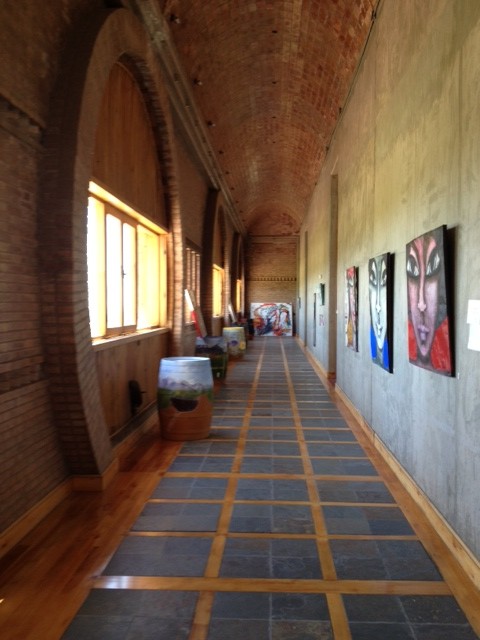
barrel-shaped hallway
Wonderful mimicry of the wine barrel theme
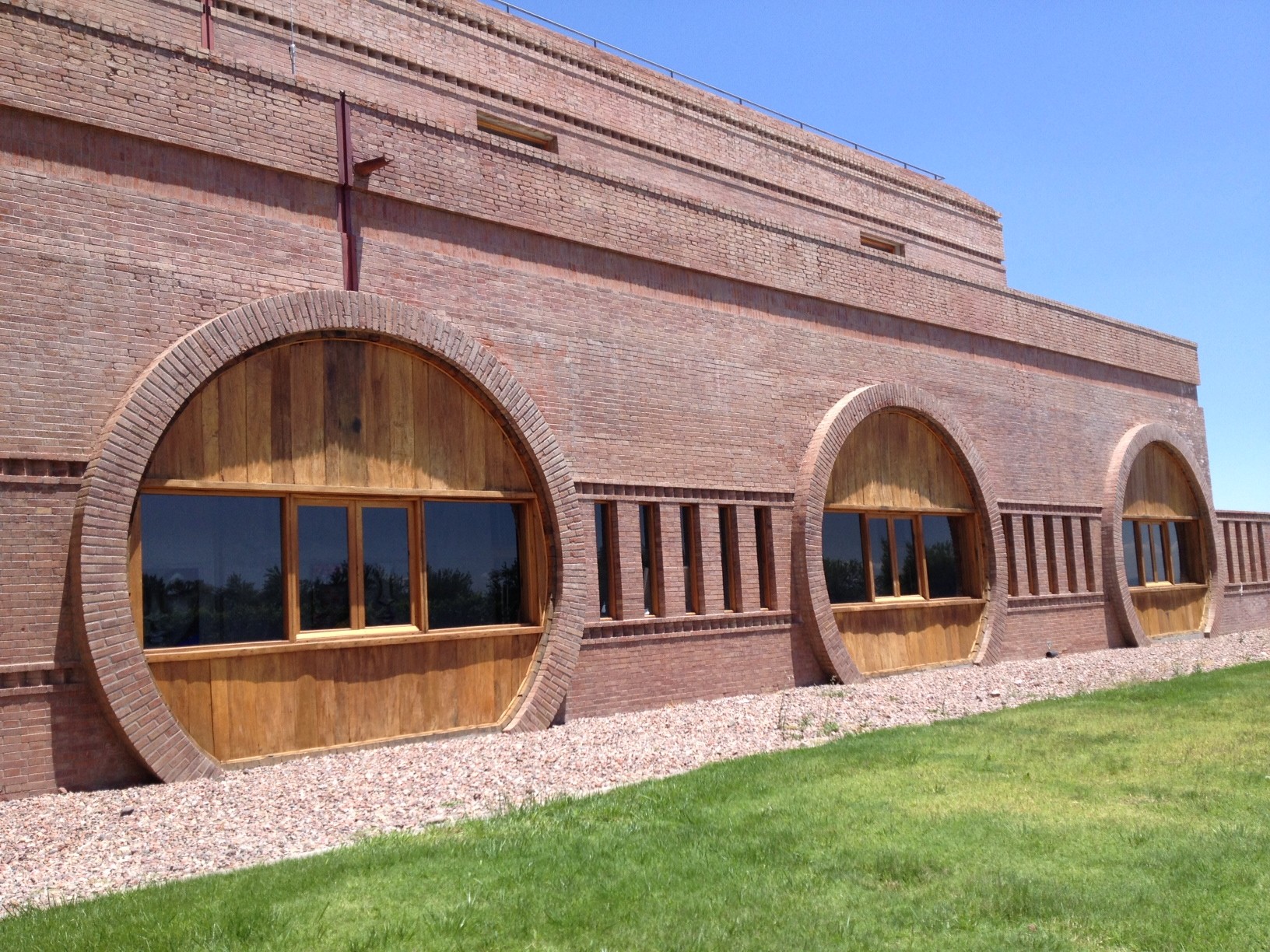
Outside as well as inside barrel theme
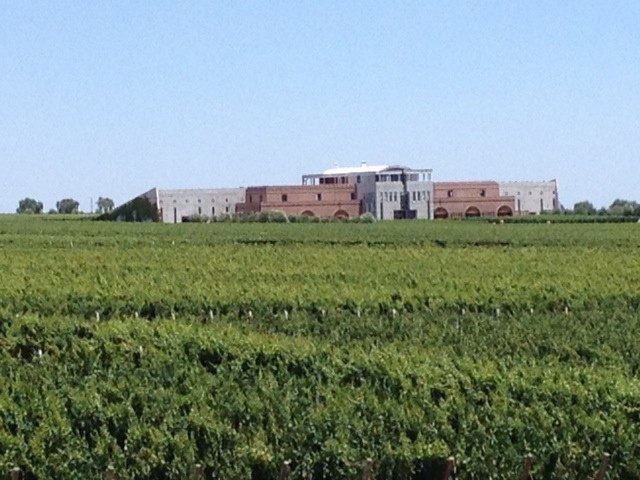
wide view of vineyards and buildings
Looking back on diemAandes
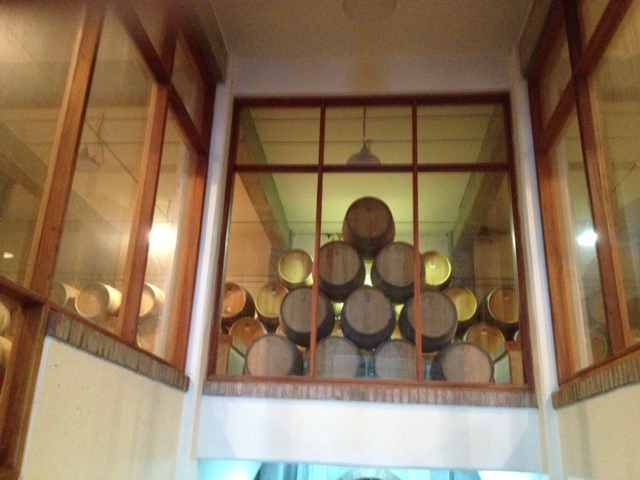
stacked oak wine barrels
The wine is kept in the bottle at the winery approximately as long as it was kept in the barrel before being sold – longer for finer wines.
The extent of Vineyards in Mendoza
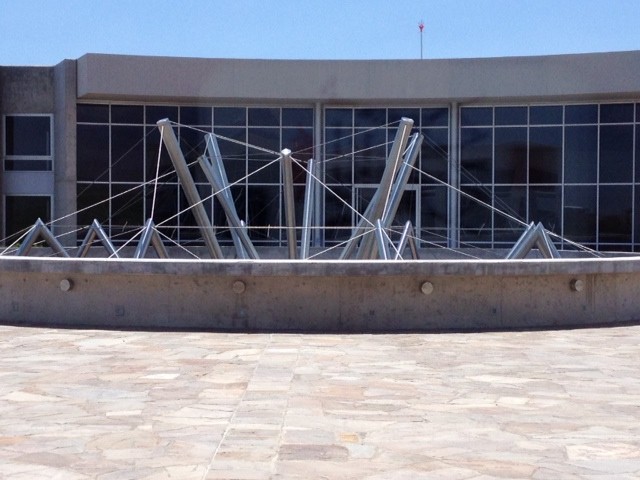
Diamond sculpture in front of the winery - DiamAndes Winery in Clos de Los Siete
Diamond sculpture in front of the winery – DiamAndes Winery in Clos de Los Siete

The Pampas

Estancia de los Candellaria: The Pampas

Coming here from Mendoza we flew into the local airport in the middle of town on the La Plata. The airport police were as good as their word and my fuzzy jacket was waiting for me.

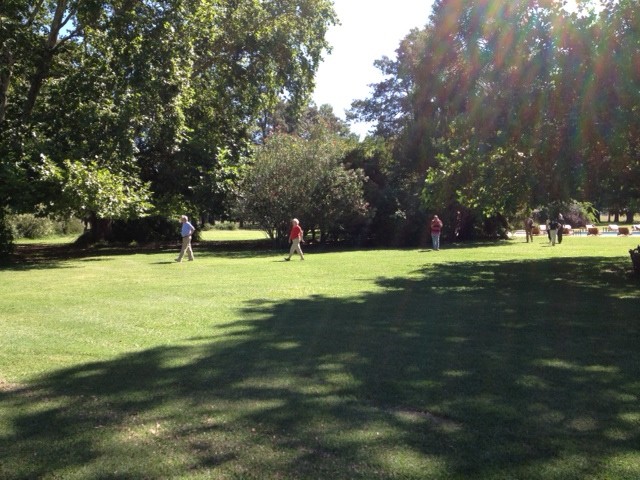
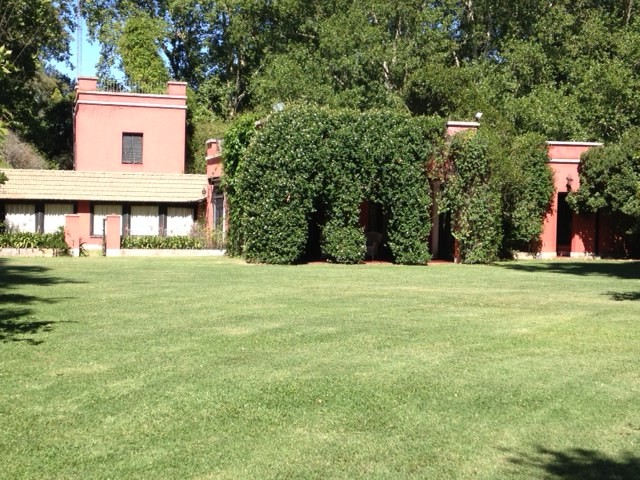
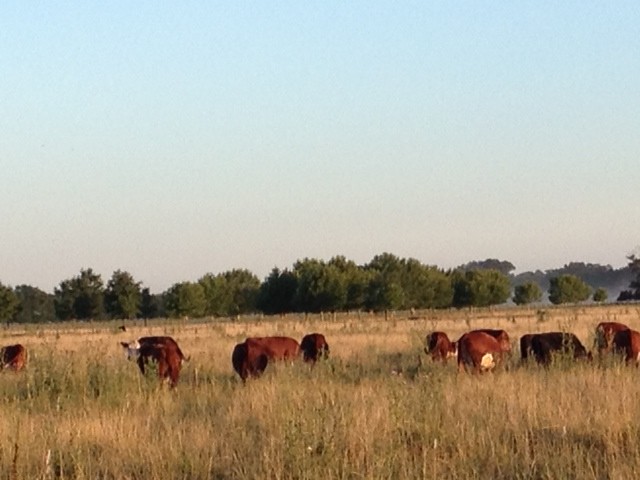
In the afternoon we were driven two hours west of the city to this small beef, llama, and horse ranch in the Pampas. It is a beautiful old house, very much in the estancia tradition; its glory is in the trees that encircle its huge lawn, planted about a century ago. Trees are not indigenous to the pampas, which is flat, with the grayish, flaky soil that makes it look like the Eastern Shore; broken, around here, by occasional wetlands and ponds.

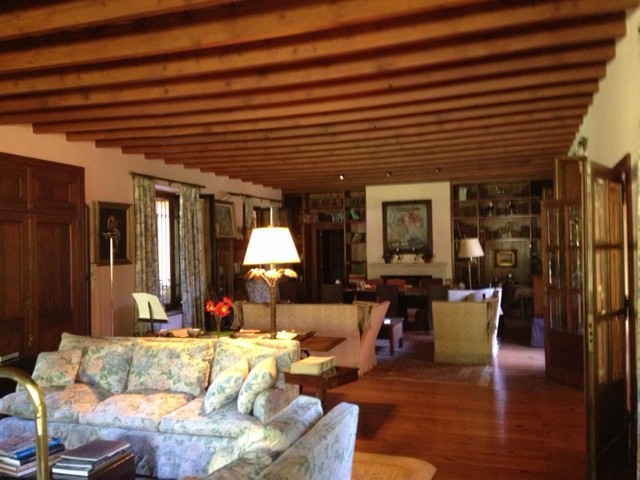
The house is actually quite large, but built to disappear into the landscape of plane trees, the biggest ginko I ever saw, crepe myrtle, and masses of climbing vines that shield windows and interior patios from the summer heat. Suites of rooms and one enormous master bedroom open off a long corridor that leads down to a living room that runs the length of the house.

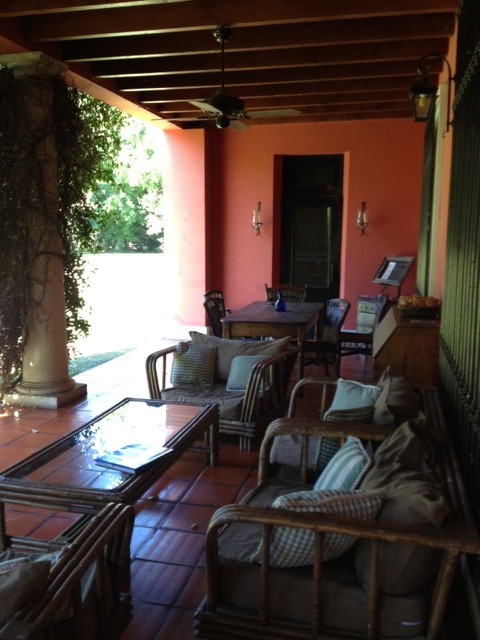
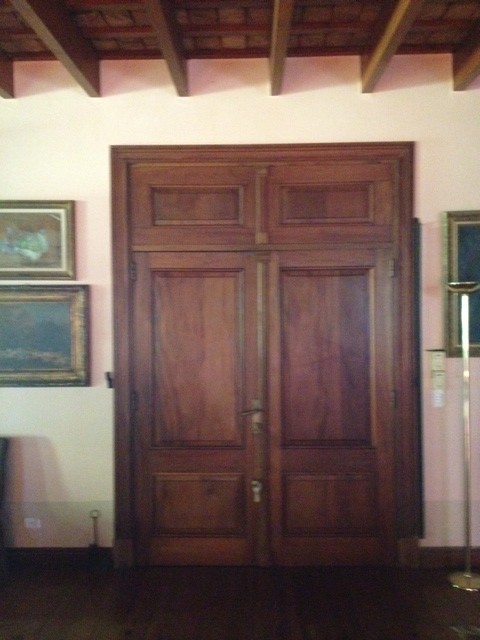
It has high ceilings, handsome doors, paintings, rows of bookshelves, and metalwork modern sculpture along with massive wooden furniture, some of which was made by our tall, eccentric host, Sebastian. The living room was the perfect place to gather for meals. This time of year, though, the place to sit is out on the covered terrace just off the living room with its two ceiling fans, and deep, comfy armchairs and sofas.

When we first arrived the heat in the afternoon was strong, but not humid. Since then it has reached the low nineties in the afternoon, but the humidity has set in; I can tell because the heat is more oppressive and my hair curls! This time of year the window curtains and doors are drawn tightly shut before noon, and they aren’t opened until the sun has set, so all day there is just a gloomy half-light in the hall.

Sadly, I can’t report much about activities on the Pampas, as I spent most of two days totally out of it with what I will refer to delicately as “an intestinal bug.” Believe me, that’s all you want to know about it.

The morning that I made it to the breakfast table I asked for tea and a soft-boiled egg. Argentinians do not eat eggs for breakfast, so it took some pantomiming to get across huevos in boiling water.

Ages went by and no egg appeared. Suddenly through the swinging door to the kitchen came not only Sebastian, whose English was excellent, but also the cook in her role as nutrition consultant. Both looked somber, and my first reaction was that the sole chicken had perished; but I knew this couldn’t be true as way before dawn every morning the clucking hens and crowing rooster pulled me into consciousness three and a half hours before the 8:30 breakfast.

The cook was wringing her hands, and Sebastian, earnestly explained that the cook could not bring herself to cook me an egg, as eggs were notoriously hard to digest and I would get sick again. Much better, they said, to have some quesos blancos and quince on a cracker. I promised just as earnestly NOT to touch an egg, and they went back through the swinging door. Ten minutes later out came not one, but TWO soft boiled eggs! Something was lost in translation. I thought it wisest to eat neither, both for diplomatic and digestive reasons.

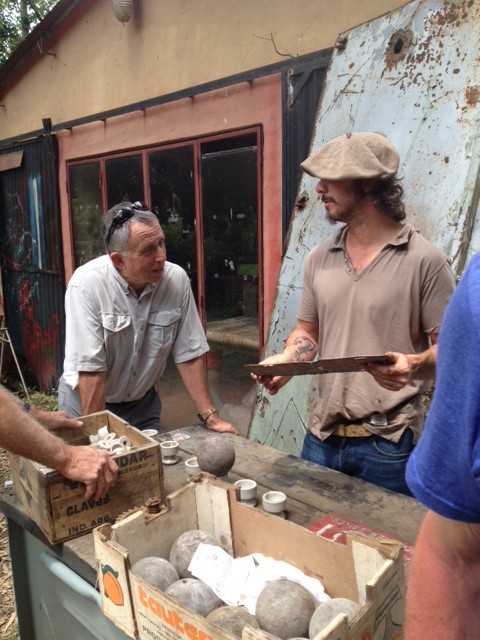
Things I can’t report on are a trip to a local auction, a popular social occasion where typewriters, aged stoves and chicken were among the things auctioned, horseback riding out to prime the windmills that keep the Criollo horses and cattle watered, and a string of what I hear were superb meals.

To paraphrase Jefferson, I can’t write a shorter letter because I don’t have the time; but I also can’t sign off without saying I’ve never been anyplace where birdsong was more varied or louder – parrots, crows, and mourning doves that were so numerous they sounded like a camp full of children. Amazing.


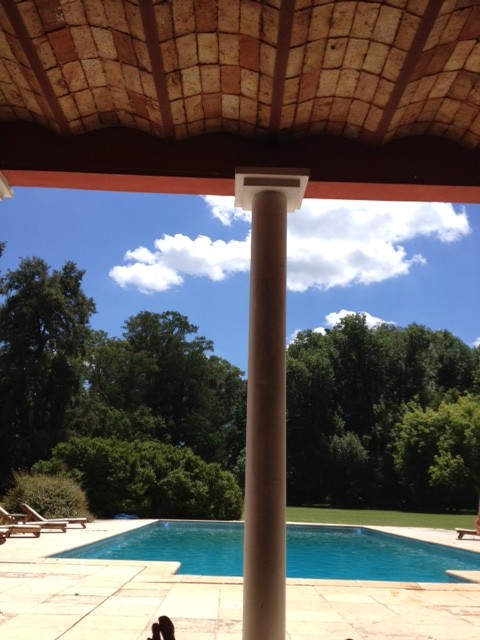
Those are my toes....recuperating
Those are my toes….recuperating
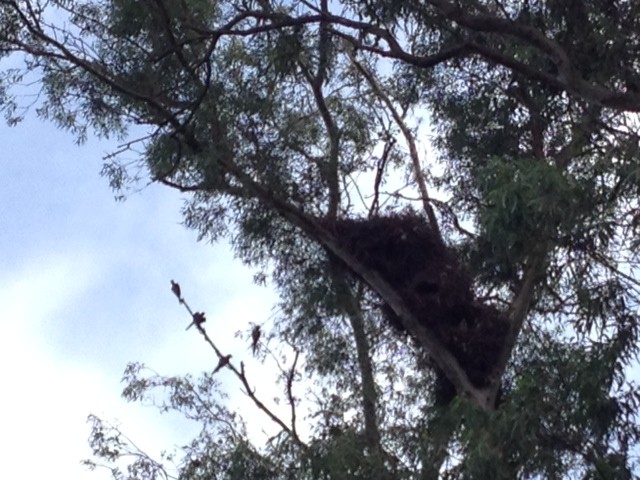
Huge green parrots nest
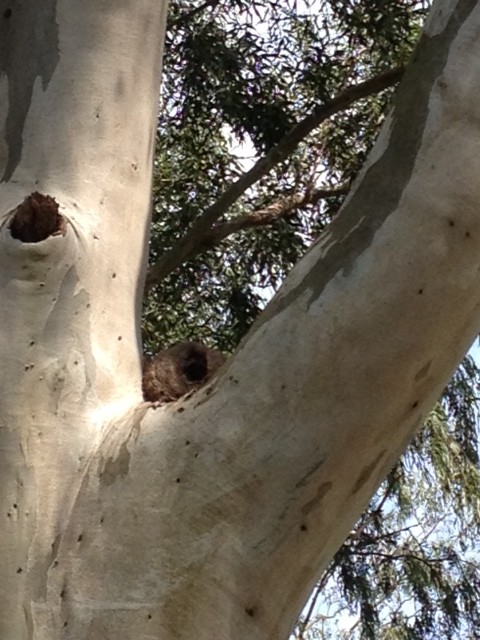
Mud nest for birds in notch of plane tree
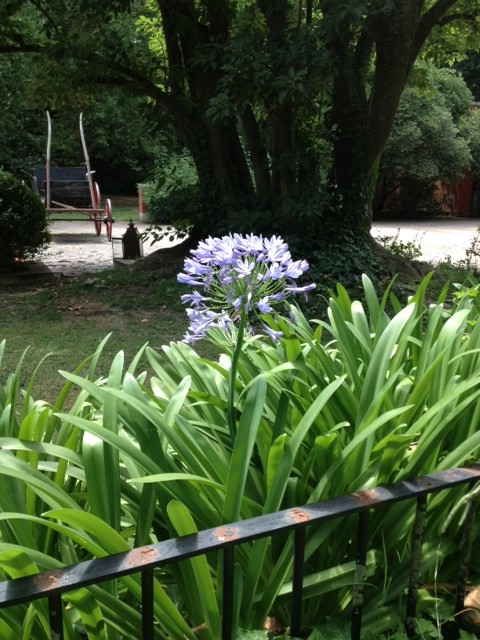
Garden week Tooters, someone know the name?
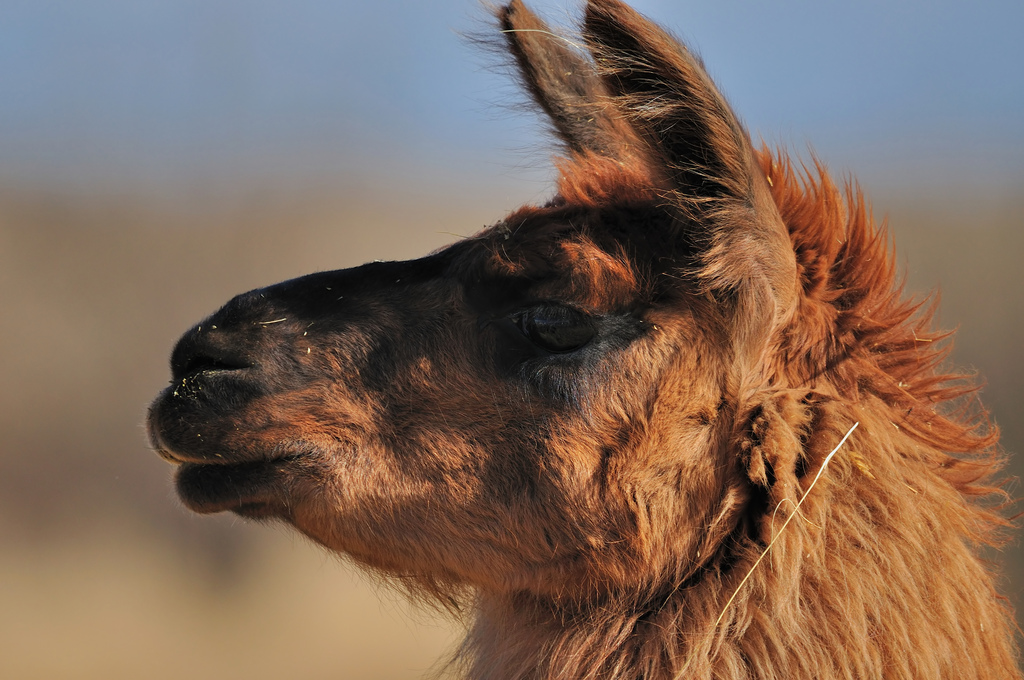
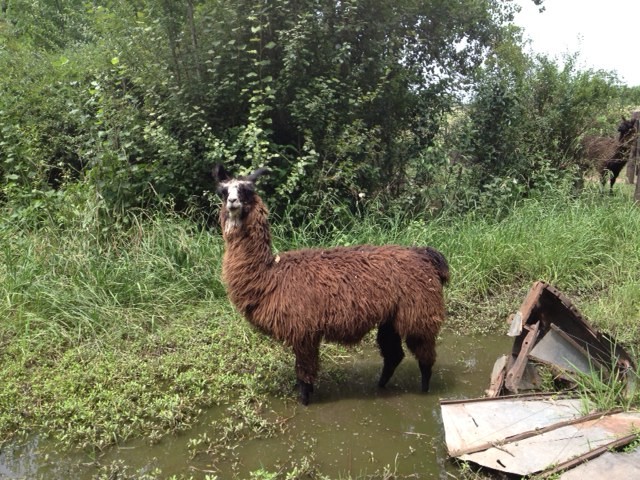
Hot fur, cool water
Hot fur, cool water
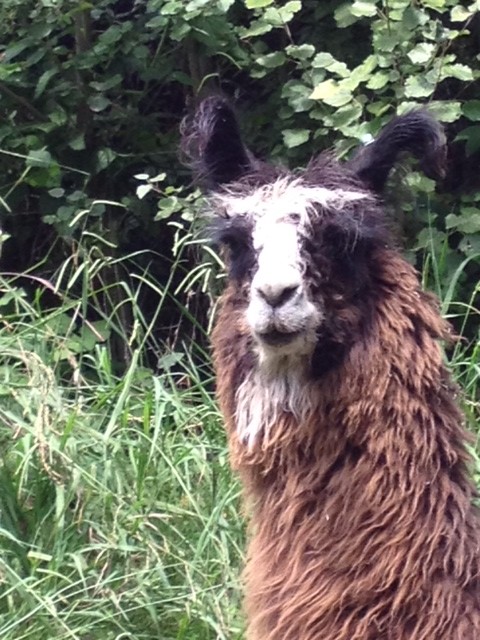
Llama looking self-satisfied
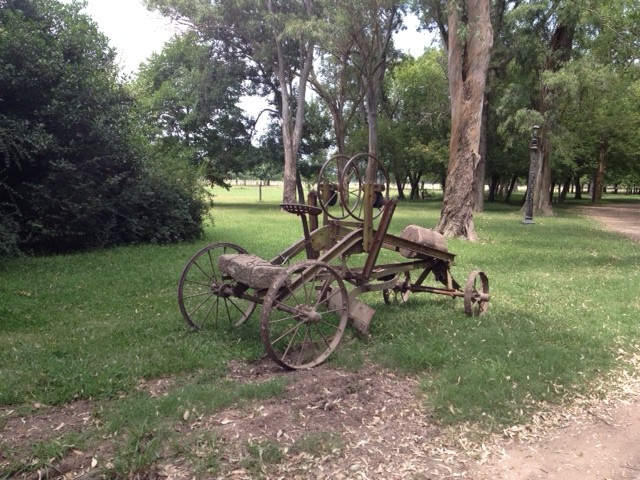
Old road grader
Old road grader
Sebastian showing Mike U. part of his loot from the auction
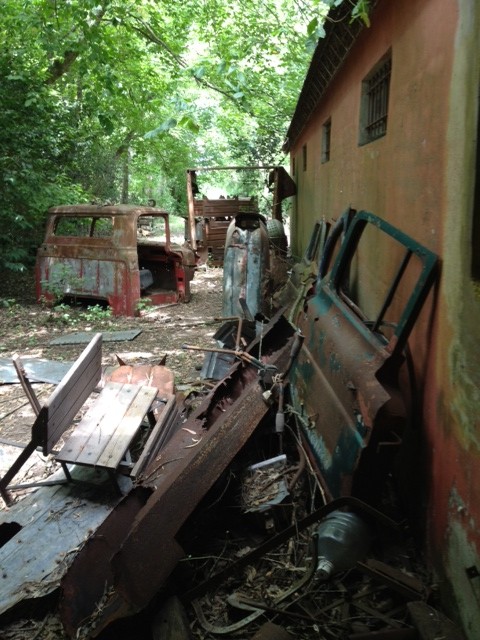
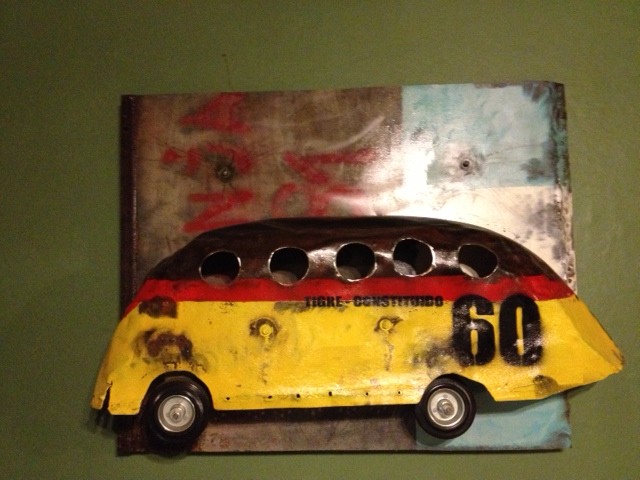
Sebastian's junk metal for turning into sculpture
Sebastian’s junk metal for turning into sculpture
Porches everywhere - very inviting
Porches everywhere – very inviting
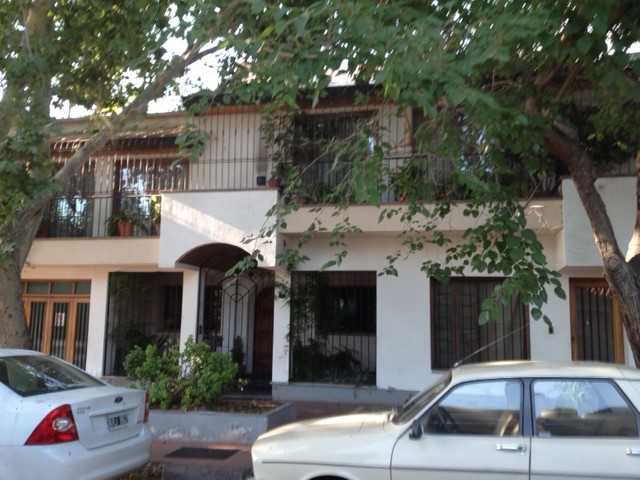
Mendoza - note bars on windows and doors
Mendoza – note bars on windows and doors
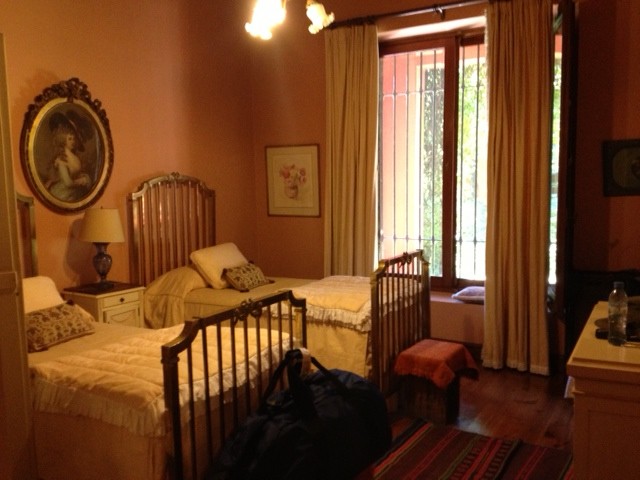
Our High Victorian Bedroom
Checking out the beautiful grounds at the Estancia
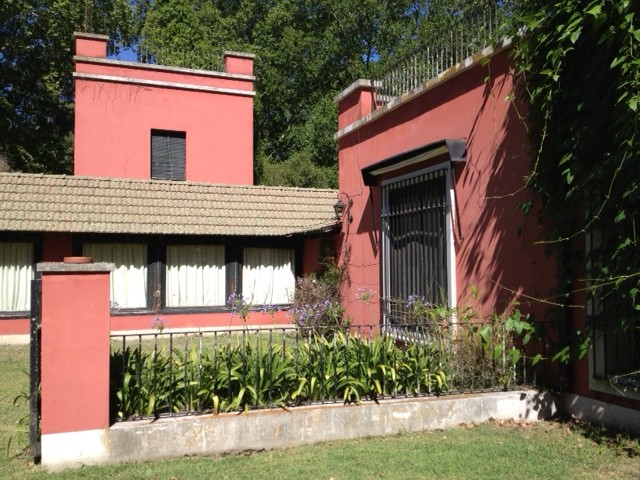
Estancia de Los Candelaria
Estancia de Los Candelaria in the Pampas. The owner is a sculptor, painter and master carpenter.
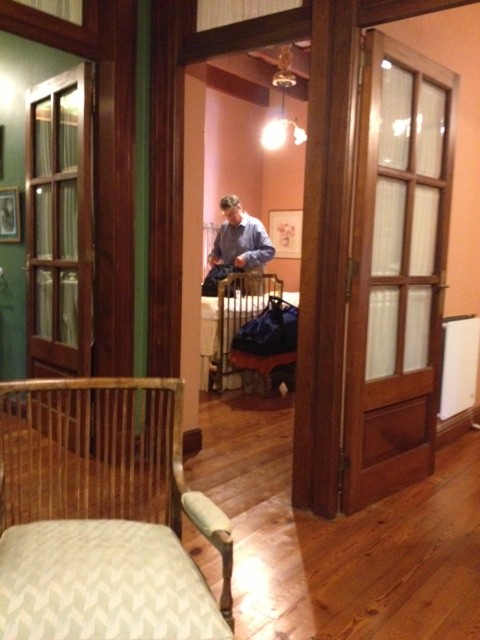
Unpacking in our apartment at the Estancia. Note the high doors and ceiling, all curtains drawn during the day for coolness.
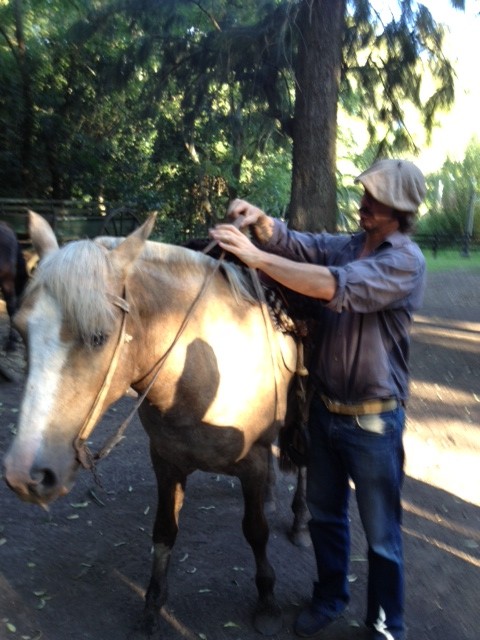
Sebastian showing how to hold reins! "Do NOT hold one rein in each hand...
Sebastian showing how to hold reins! “Do NOT hold one rein in each hand…
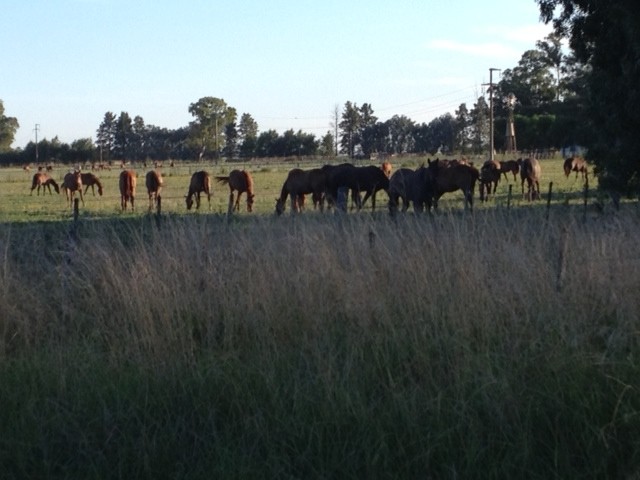
Polo ponies on their summer turnout
Beautiful living room at the estancia
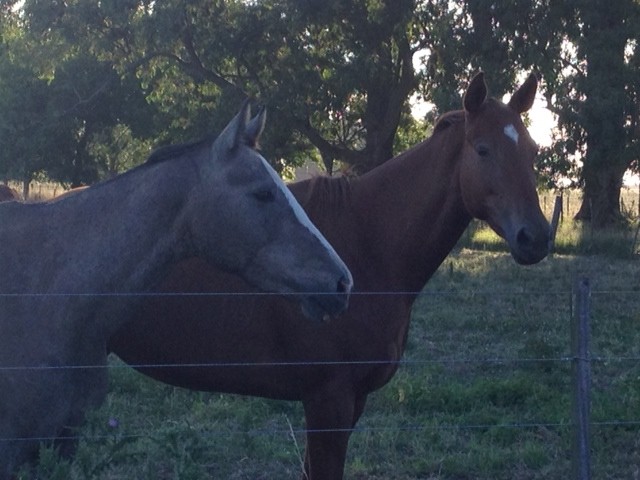
Two friendly fellas
Two friendly fellas
Cows on the Pampas. All the trees in the background have been planted.
Handsome, tall doors in Argentina

Mendoza

Before leaving Bariloche, I had broken down and eaten an entire bag of cheese nachos while waiting at the airport. They made me thirsty, so I was in the restroom slurping water from the sink when I noticed a man walking behind me. Liz, you would have loved it; he paid me no mind, but I flew out of the men’s room!

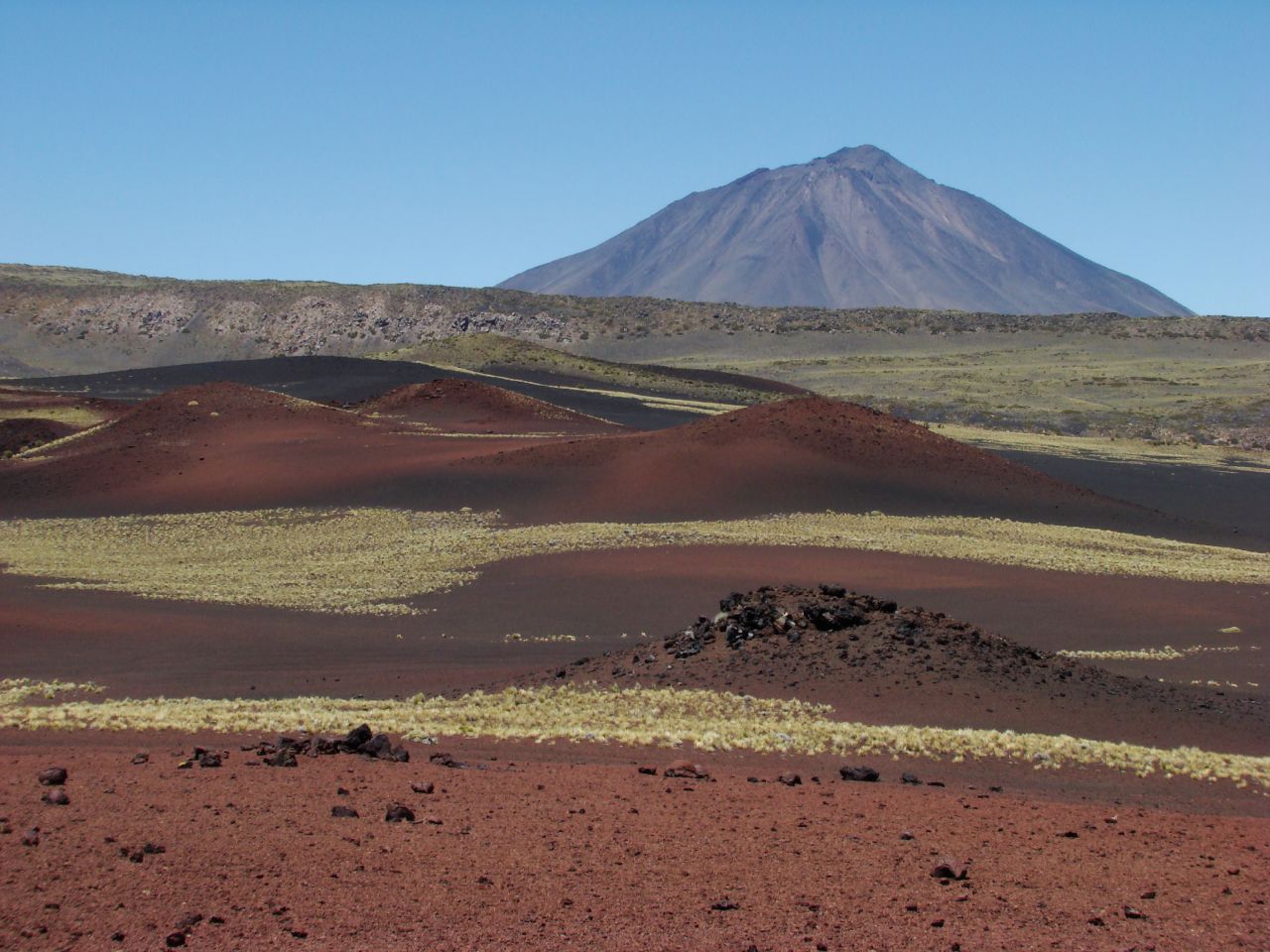
Flying north to Mendoza we trade the chilly winds, lakes and green landscapes of Bariloche for the arid, Arizona-like topography of Mendoza; but one thing we don’t leave behind are the mountains. In Mendoza on most days you can see all three ranges of the Andes: the Preandes, that rise to 11,000 ft. (the foothills!) the Frontal Range at 19,000 ft., and the Border Range, the highest of which is 22,000 ft.

Mendoza is having a heat wave with temperatures near 100 degrees, but there is no humidity and so it is not enervating. This area only gets an average of eight inches a year in rainfall, and so the city and the ENORMOUS amount of acreage that is in vineyards and orchards is dependent on snowmelt from the Andes. Even before the Spaniards arrived the Incas had an irrigation system.

Now, water is strictly controlled. Buying land to create vineyards without checking on its water rights first (as Kendall-Jackson winemakers did) guarantees failure. There are many reservoirs and smaller water impoundments from which there are scheduled water releases. River and creek beds are completely dry (all their waters impounded) which is startling to the eye; canals carry the released water to its destination.

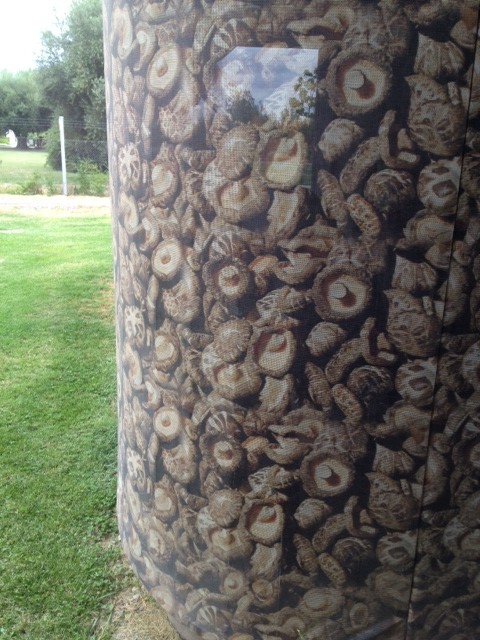
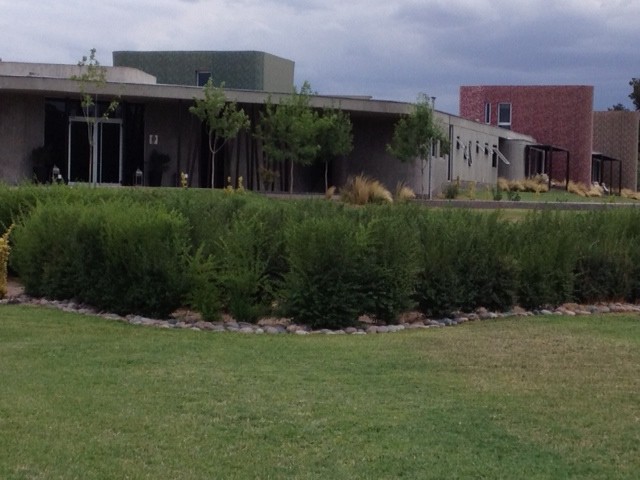
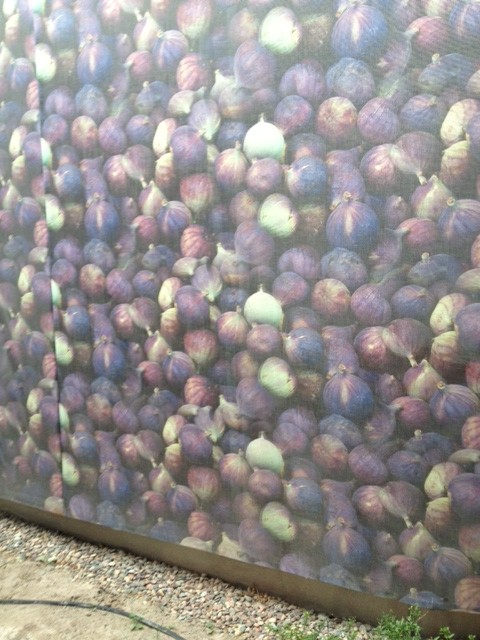
Our hotel, Entre Cielos, is super modern. It looks a bit like a concrete bunker, broken up by two-story pods with outer coverings, one of figs, one of mushrooms, etc.(see photos). The walls of the bedrooms are of poured concrete, not exactly warm and fuzzy; but it is the first hotel room I’ve ever been in that had a telescope on rollers! The best thing about Entre Cielos is its longgggg swimming pool.

I will skip our first day as we spent it in vineyards, which merit a blog entry of their own, but I don’t have time to write it now.

Our second day we spent hiking, first traveling south and west into the Preandes to the Potrerillos Valley. This is the jump off spot for lots of outdoor activities – white water rafting, windsurfing on the reservoir, swimming, and trekking.

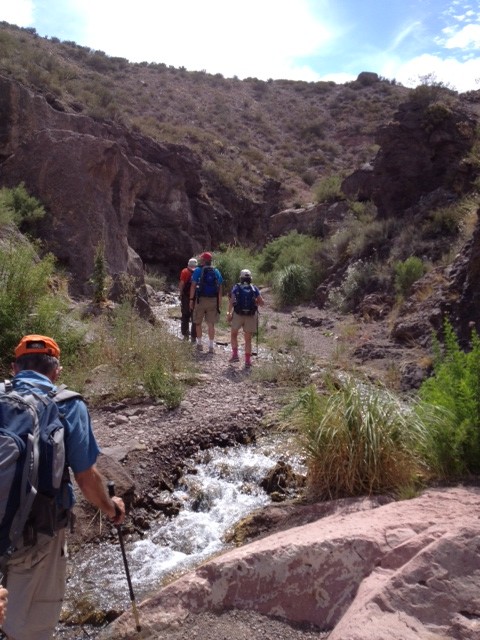
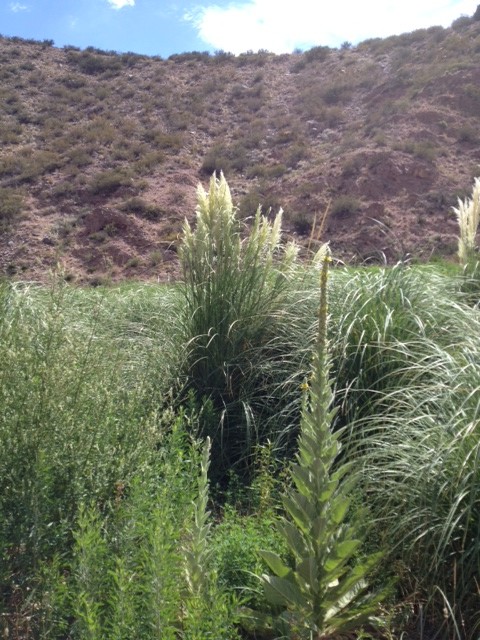
The hike we took could have been into one of the arroyos of the Grand Canyon. It was a goat scramble to get into the little valley, but then it was a lovely hike along a stream up to a high waterfall. The fun, while there, was watching a young group repelling down the face of the cliff next to the waterfall (see photos). Hiking out it was so hot I felt like a potato crisp, and wet my hat in the stream several times to cool down. Fifteen minutes later the hat would be dry.

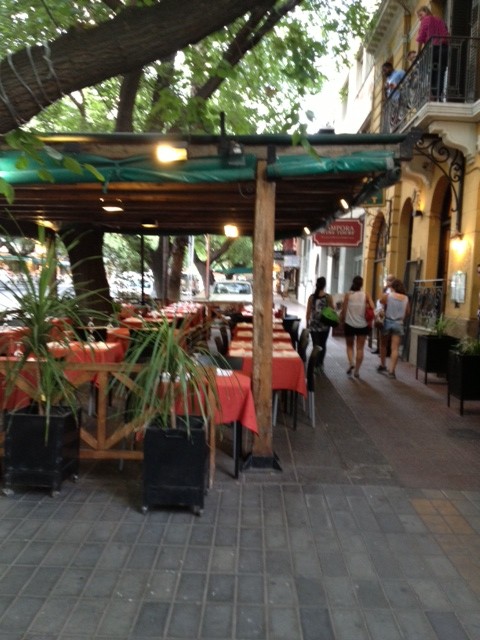
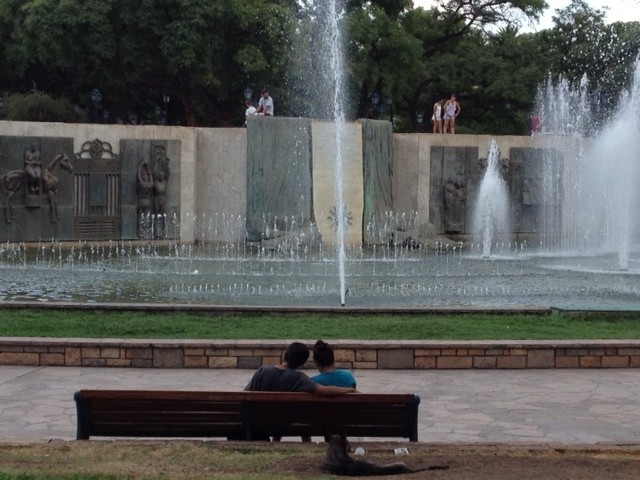
That evening we had dinner downtown, and were able to walk through the park at the very center of Mendoza. Unlike Bariloche, many houses in Mendoza have walled courtyards and bars on their windows, and often shops will have the sliding metal outer protection that goes up at 8 a.m., down at noon for lunch and a siesta, up at 5 p.m. and down at 9 p.m. As a result, there are four traffic jams a day, and the usual time for dinner is at 10 p.m.

Mushroom exterior of 2 story part of our hotel  in Mendoza
Mushroom exterior of 2 story part of our hotel in Mendoza
An arroyo not so secco
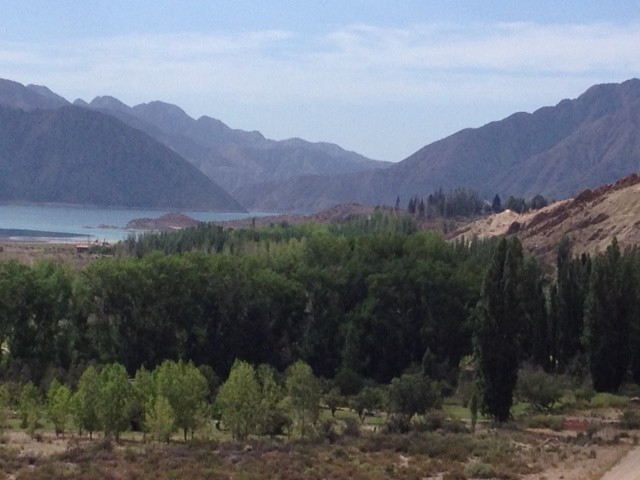
One of many reservoirs used for irrigating vineyards and orchards
Scrub in foreground, irrigation in the background
Anyone see Moses in these bull rushes?
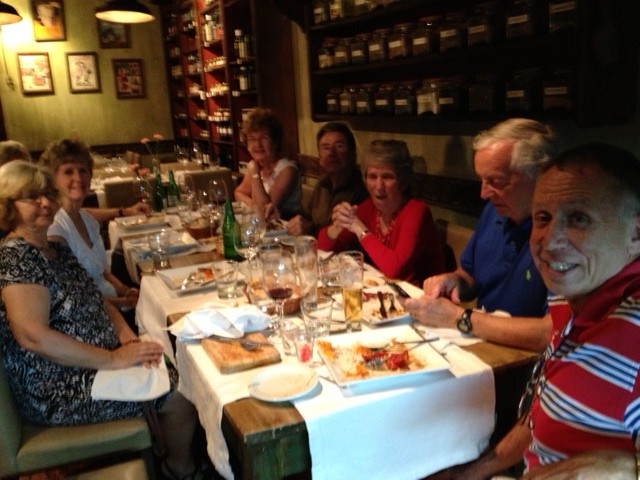
Around the groaning board in downtown Mendoza
Outdoor dining in downtown Mendoza
Polo sign
Polo is BIG in Argentina
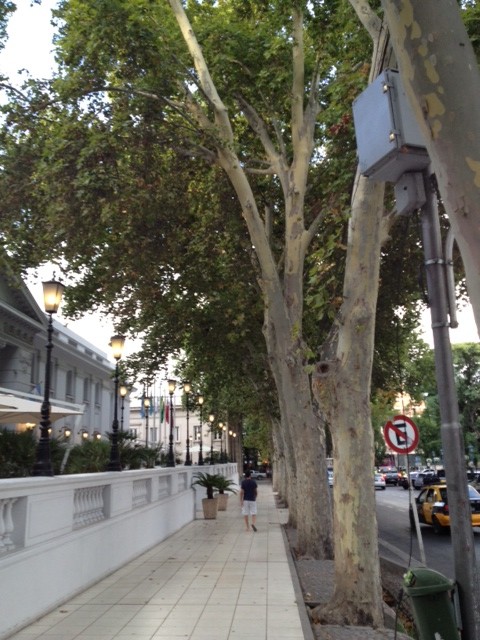
Plane trees line downtown streets in Mendoza
Graffiti is really a problem in Argentina
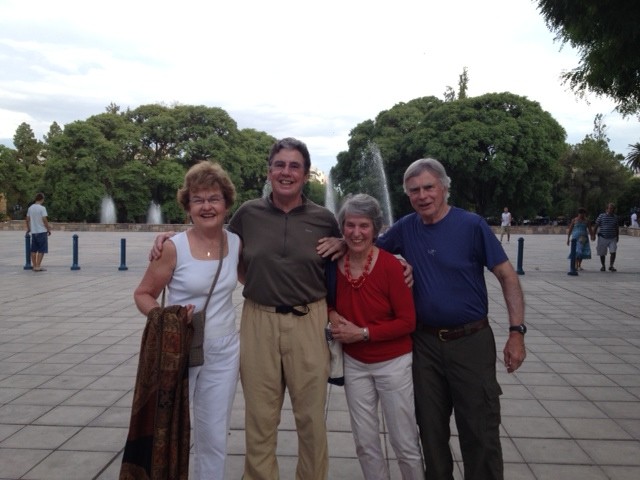
Four of our nine, Mendoza
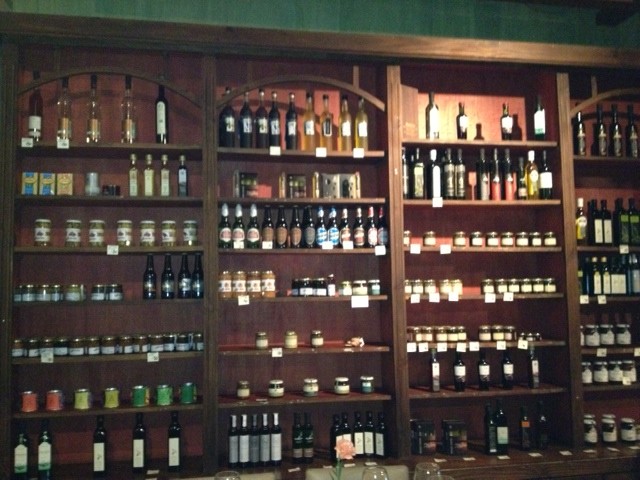
Wines and spices on shelves in restaurant in Mendoza
Our bunker-like hotel, Entre Cielos, outside Mendoza
Central Square, Mendoza
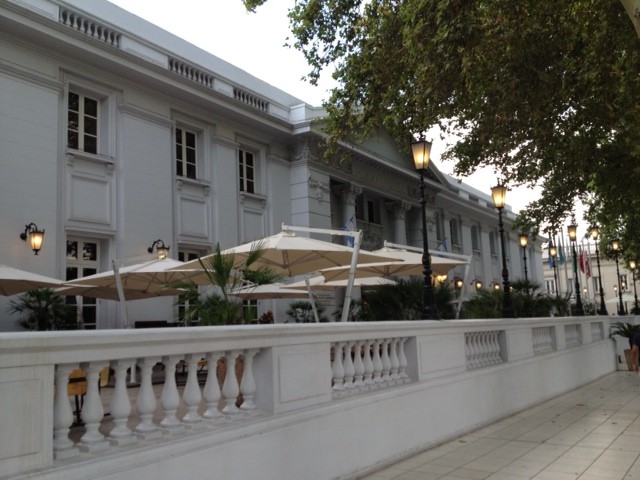
Plaza Hotel, downtown Mendosa
Figs
Figs – outdoor covering for another 2 story part of our hotel