Mendoza
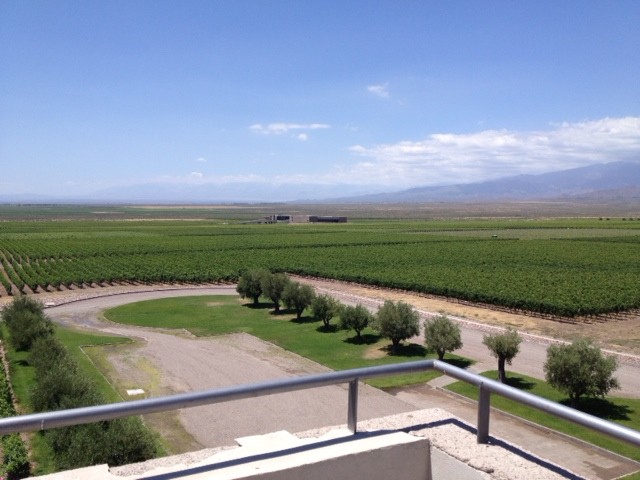
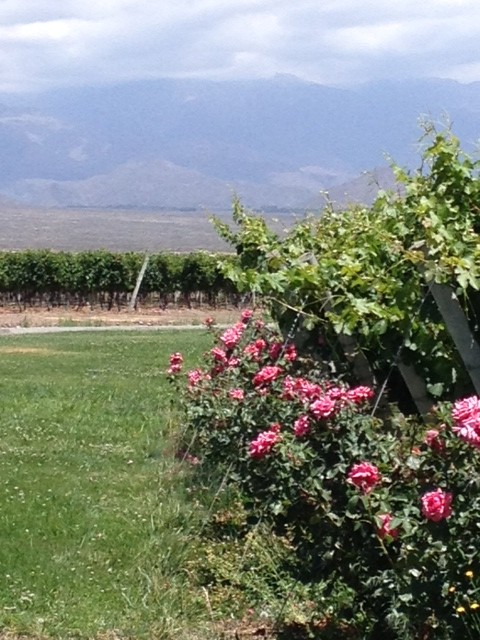
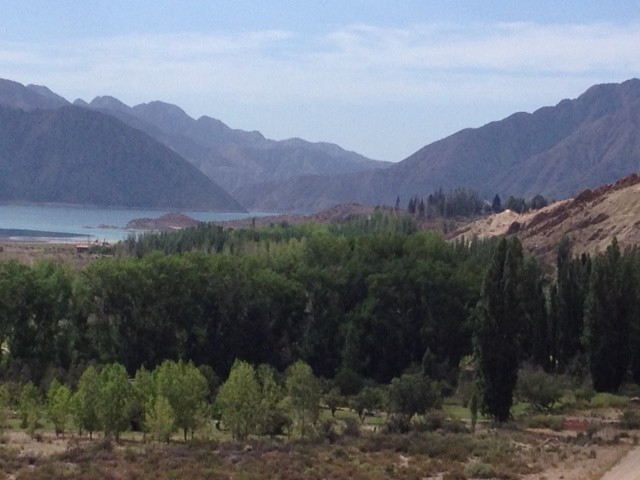
Argentina’s three main industries are oil and natural gas, wine and tourism. The most striking thing about Mendoza, ground zero of Argentinian wine making, is the size of the vineyards. Looking down from the air miles before the plane landed, you see acres and acres of long, rectangular green plots all dependent on irrigation, as are the clumps of green trees, bushes and flowers that follow the roads through what is otherwise an arid semi-desert.
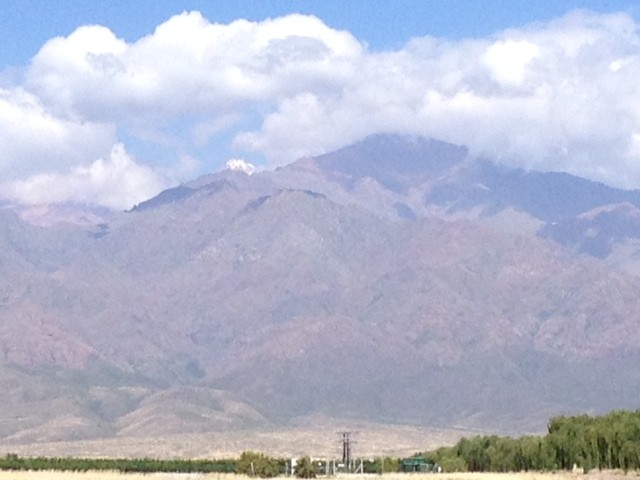
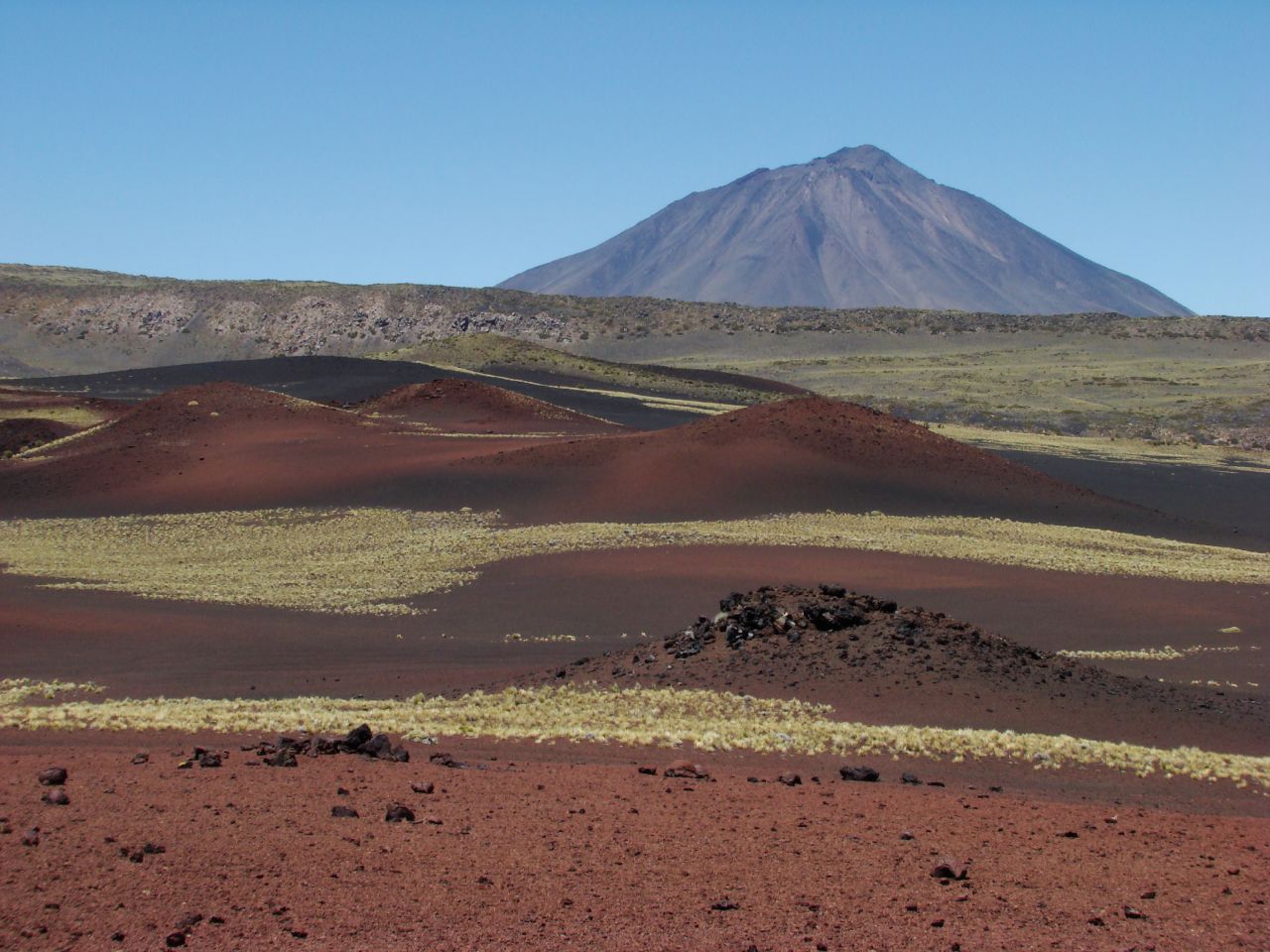
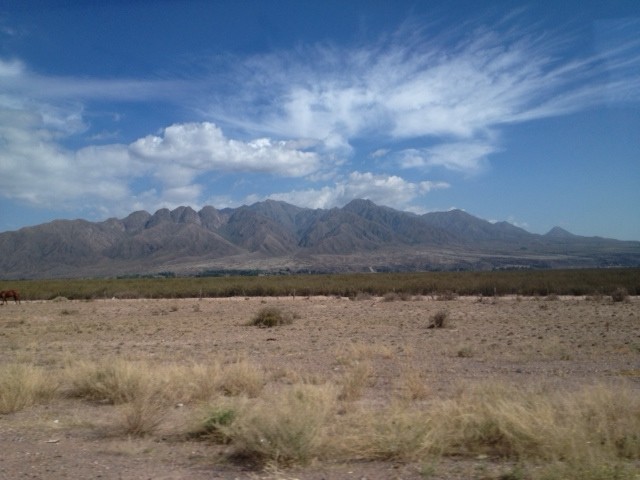
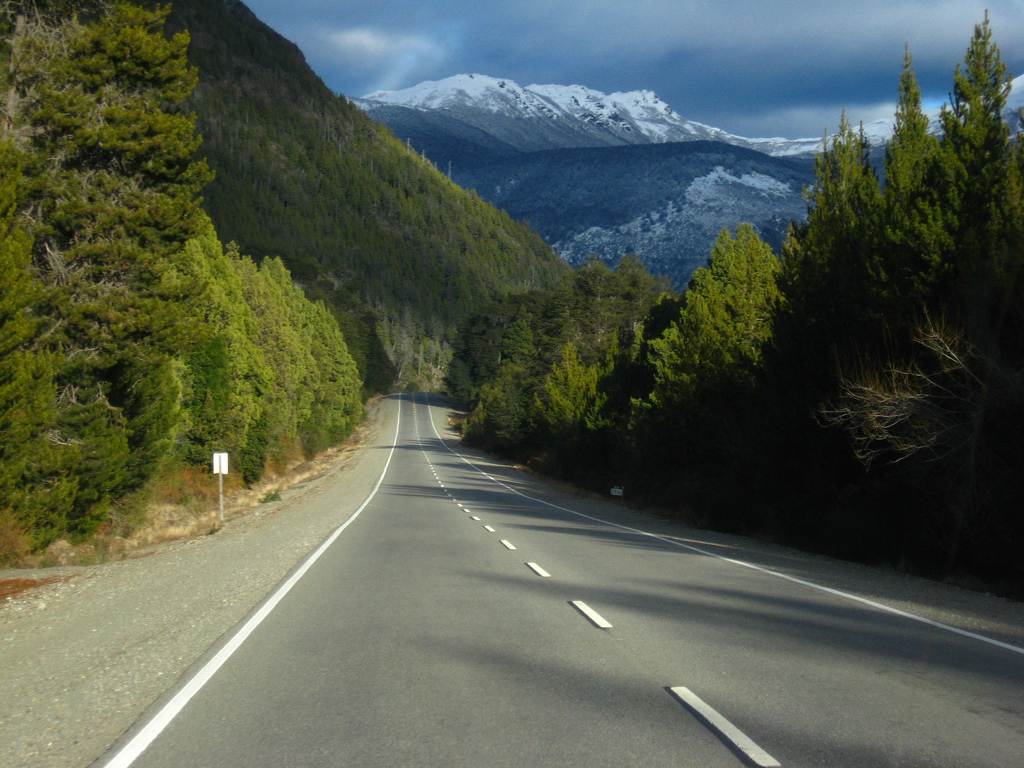
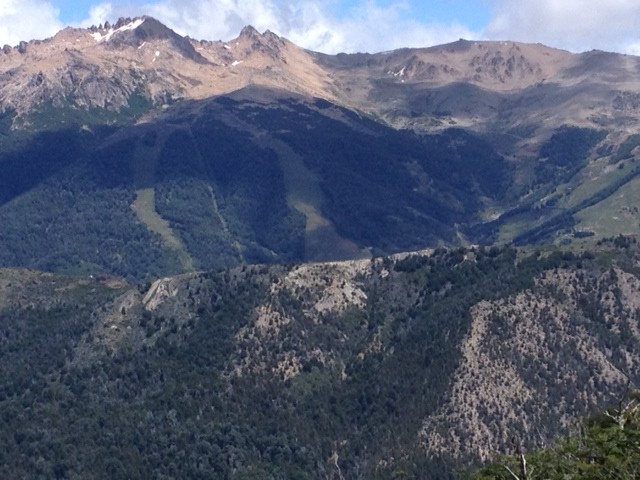
The Andes rise up to the west of the city like a Hollywood background set. The mountains were faint in the heat the few days we were there, as if you could push them over with your finger. They were gigantic, but also so seemingly insubstantial as to appear fake.
The first wine stock was brought to Mendoza in 1610 by the Jesuits. The trickle of immigrants from Spain and Italy became a flood when the train from B.A. arrived in Mendoza in 1885. Up until the 1970’s most of the wine produced in Mendoza was consumed in Argentina. Many different types of red and white table wines and blends of moderate quality were made; but the region was known for a red varietal from Cahors in France, unflatteringly called Malbec because the taste of it was “mal,” which means bad, on the “bec,” meaning mouth. The 1990’s saw the arrival of foreign investment, and the emphasis shifted to single varietals and from quantity to quality.
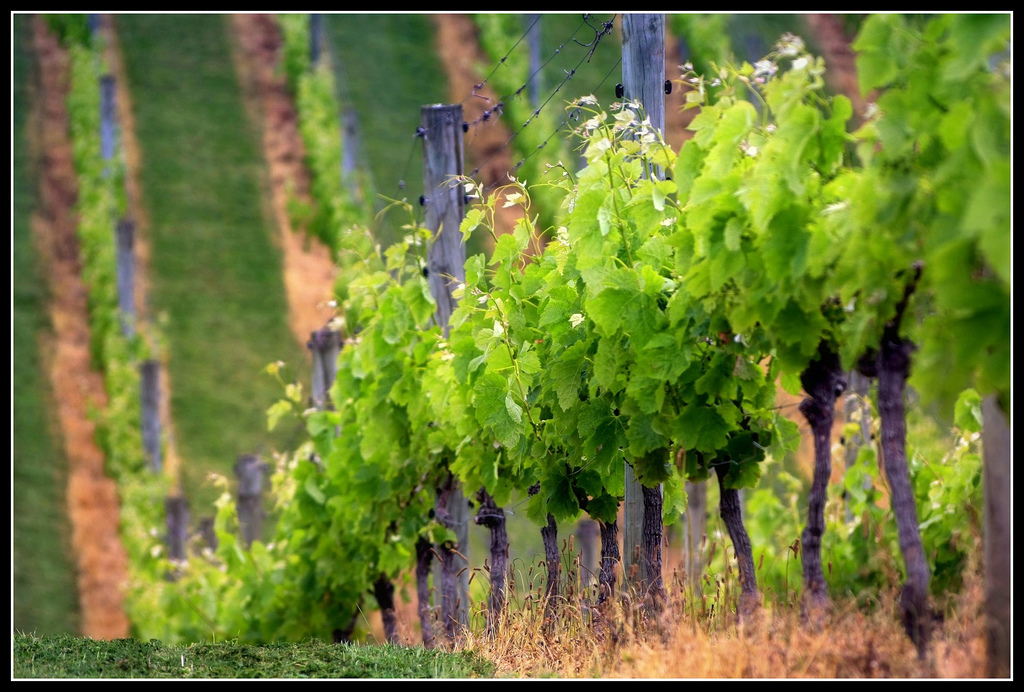
To achieve this quality, pruning is done twenty days before harvest to concentrate nutrients and to assure a dark, full-bodied character by sacrificing quantity. Because of the threat of damaging hail, many investors will spread their vineyards over a wide geographical area, specializing in blends of the same varietal from different microclimates.
I’ve written in a previous post about the importance of water rights to the snow melt from the Andes, which is stored in reservoirs and released at pre-arranged intervals to flow through canals and into the small trenches or the hoses that run parallel to the rows of vines. Without this resource there would be no wine making in Mendoza. What happens, then, if climate change causes less and less snow to fall in the Andes?
We spent all of one day in the Uco Valley, south and west of town and higher than most of the vineyards. On the way to the Clos de los Siete, gaining altitude, we passed vegetable gardens and peach, cherry and apple orchards.
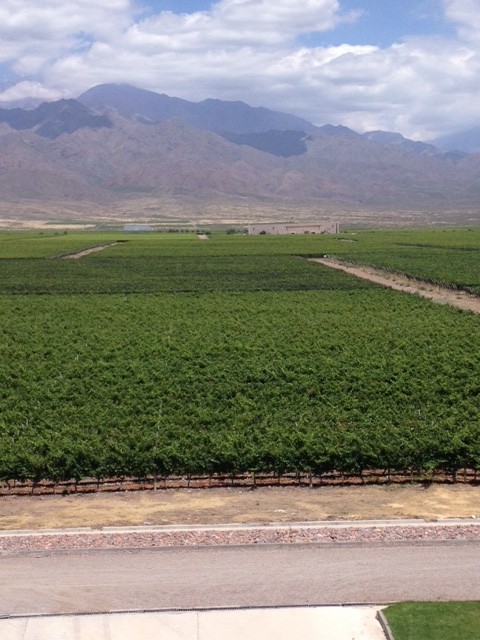
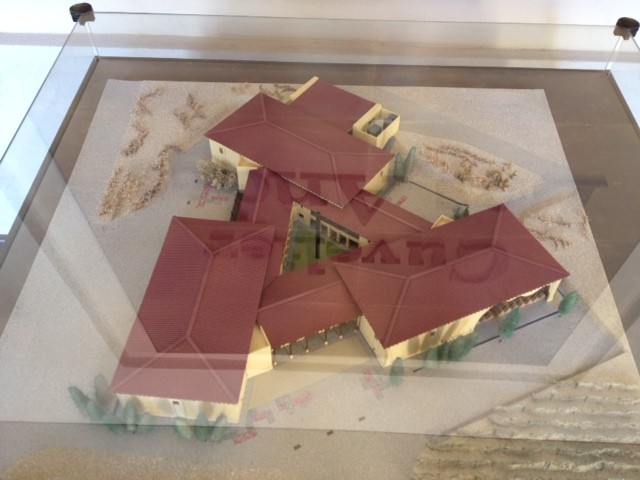
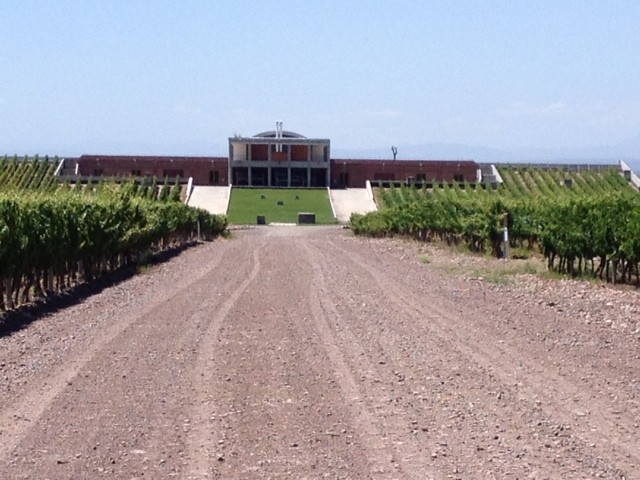
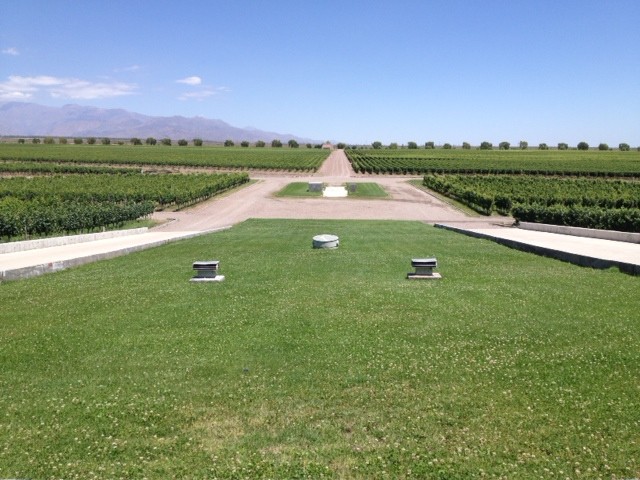
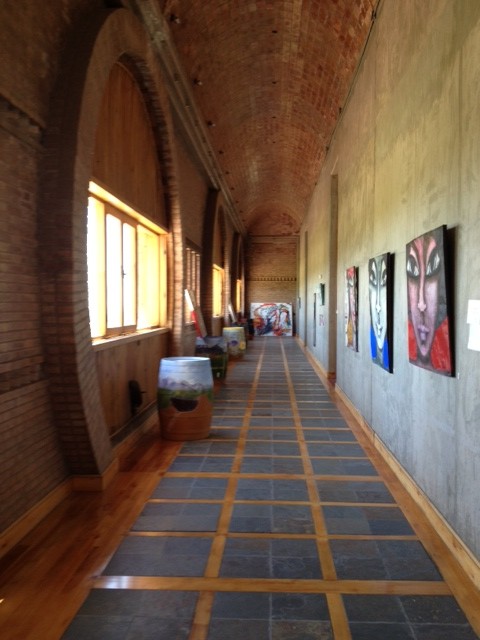
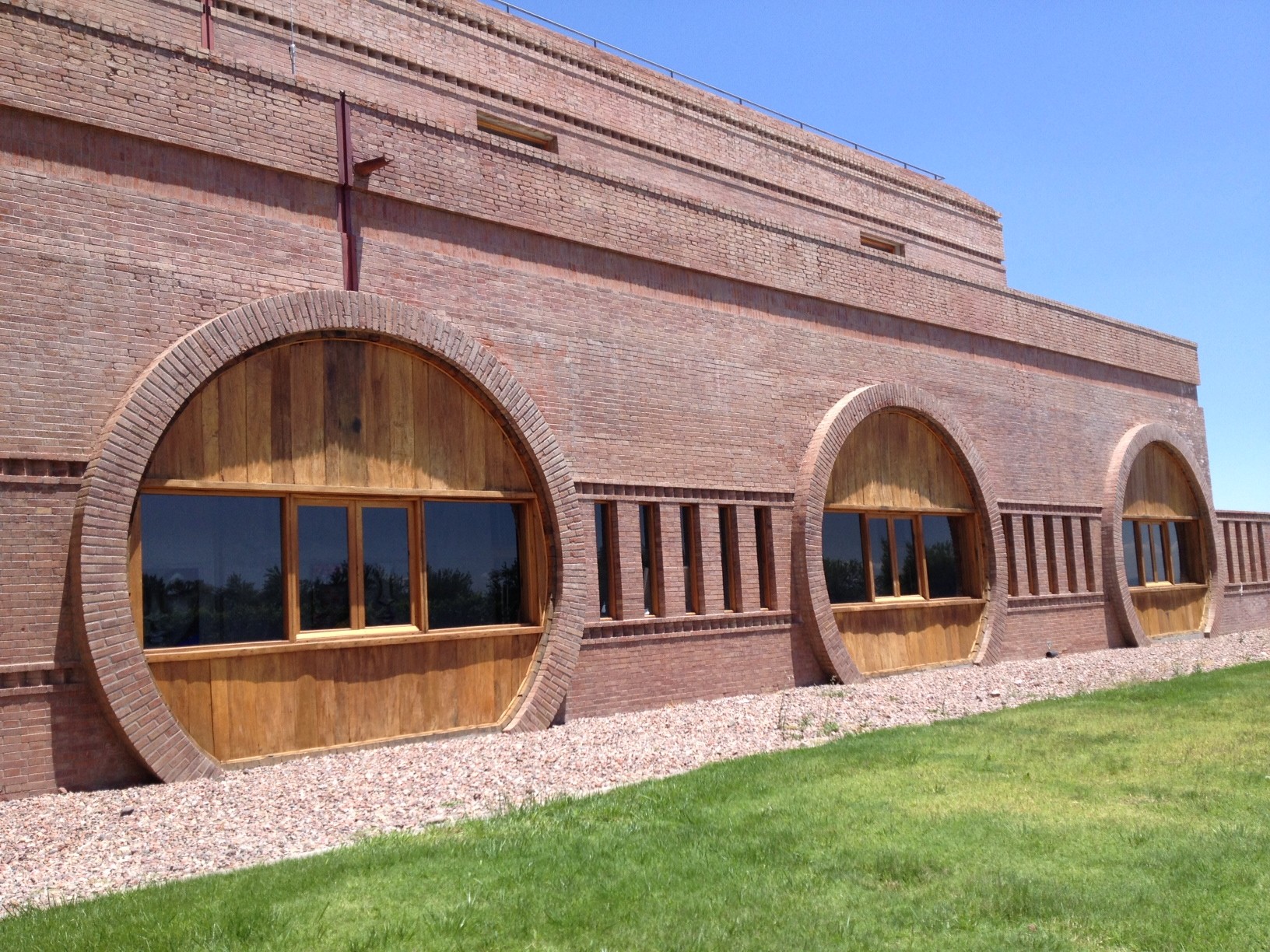
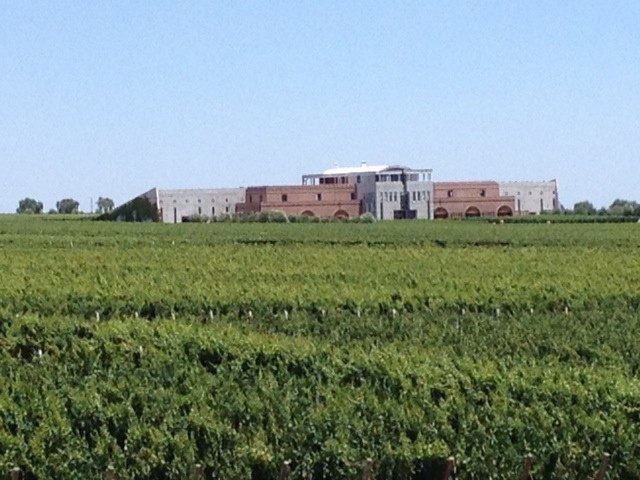
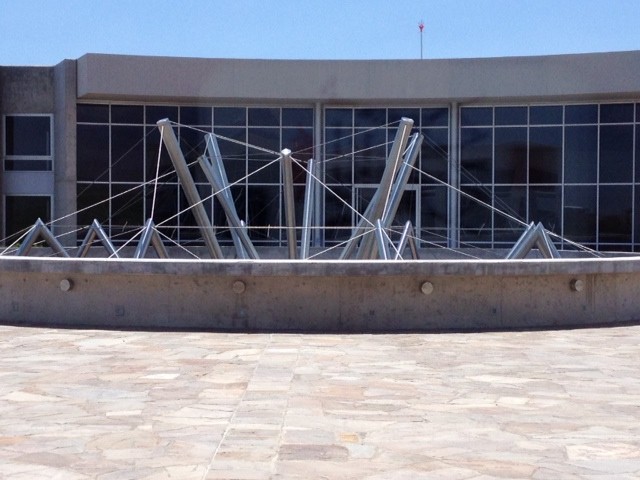
The two-thousand acre clos is the project of seven foreign investors, French, Italian and Swiss, several of whom already own chateaux with fine vineyards attached in Europe. They are escaping the myriad regulations of France and seeking to produce fine wines in greater quantities than they can in Europe. Five of the seven have their own wine-making bodegas on the property. It is an impressive sight as you drive in, nothing but vineyards stretching to the mountains, punctuated only by the five strikingly different in style bodegas in the middle of each property.
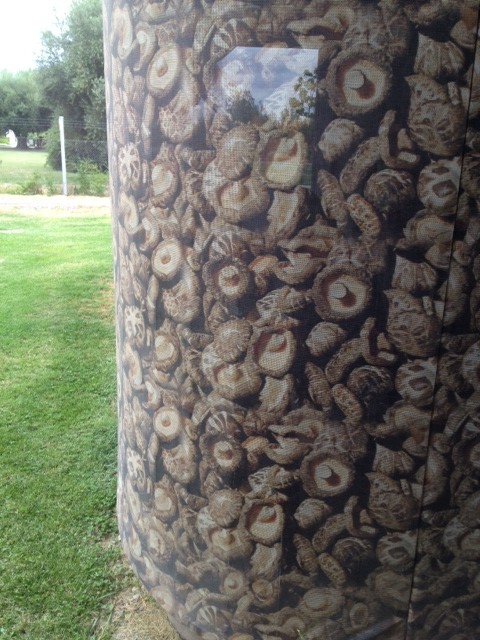
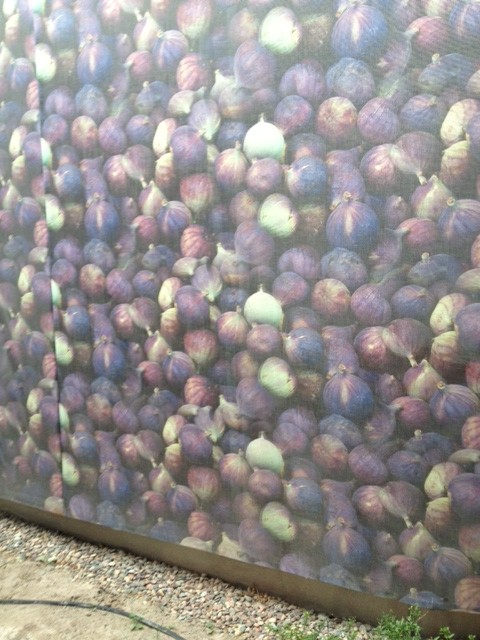
Weather conditions are near-perfect for grapes; constant sunshine, low humidity and water that is full of minerals can be depended on. Spraying with chemicals is not required. Hail is a constant danger, and the better vineyards put up netting on the sides of vines to protect from it.
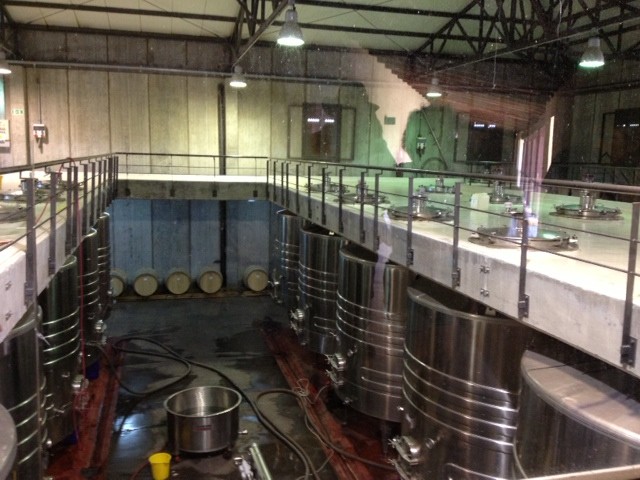
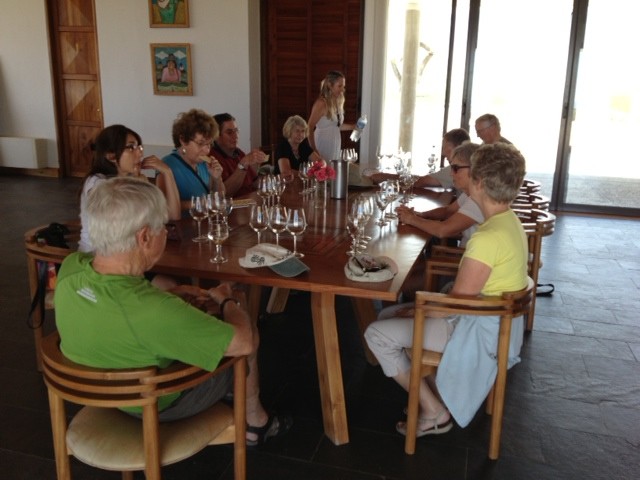
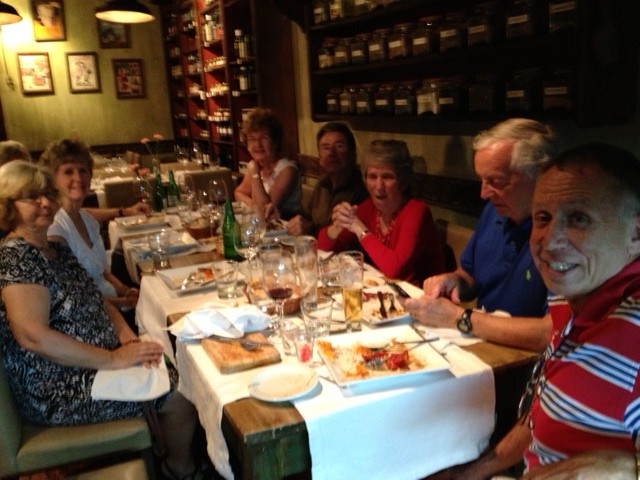
We visited three of the five bodegas, and were treated to a delicious lunch and wine samplings in the house-like apartment of one of the owners who was not there.
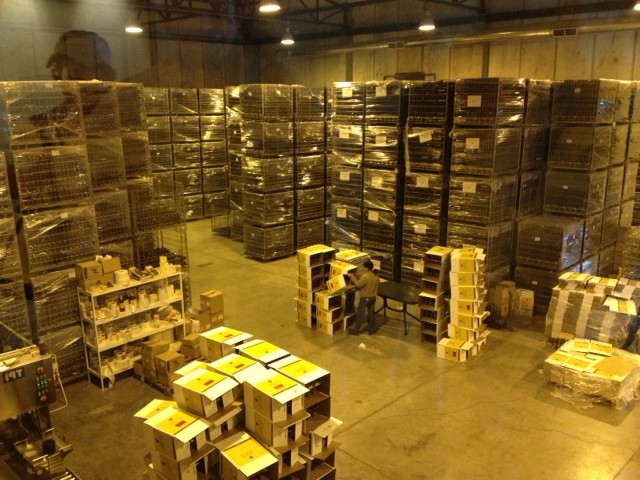
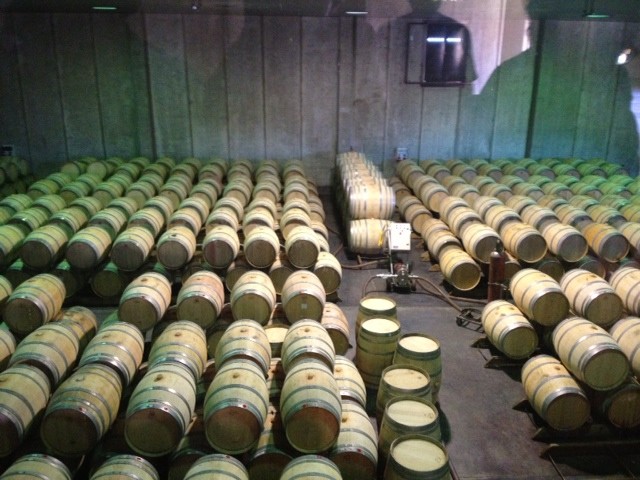
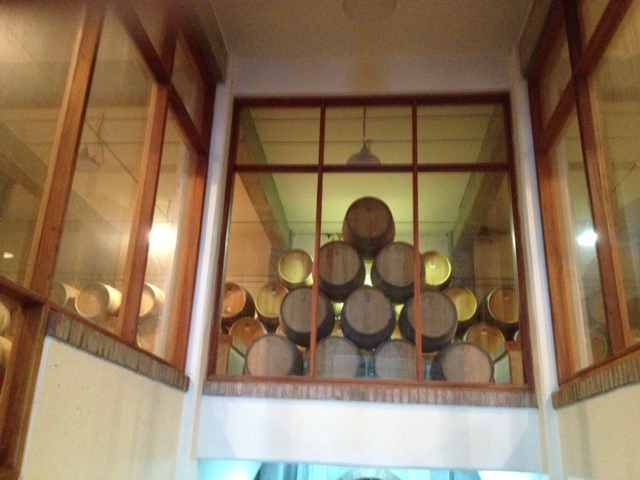
Their plants are only fourteen years old, and it takes one plant to produce one bottle of wine. They turn out one million bottles of Clos de los Siete (a red blend of grapes from all five wineries) a year, 80% of which is exported, which is why we see so much Malbec in the States these days. The producers are worried because 25 – 30% inflation has caused the Kirchner government to cut down on how much they can export, and importing the volume they require of real cork from Portugal and oak barrels from France is becoming difficult because the government wants the vineyards to use local products.
The three vineyards within the clos that we visited were Cuvellier de los Andes, diamAndes and Monteviejo.